White-Water Rafting Near Glasgow With My Partner: An Unforgettable Scottish Adventure

A city break does not always need to revolve around restaurants, museums and shopping. Sometimes the best experiences happen when you leave the familiar streets behind, put on a wetsuit and throw yourself into an exciting outdoor adventure.
Going white-water rafting near Glasgow with my partner gave us the opportunity to do something energetic, challenging and completely different from our usual days out. Surrounded by beautiful Scottish scenery, we experienced fast-moving water, teamwork, laughter and plenty of unforgettable moments.
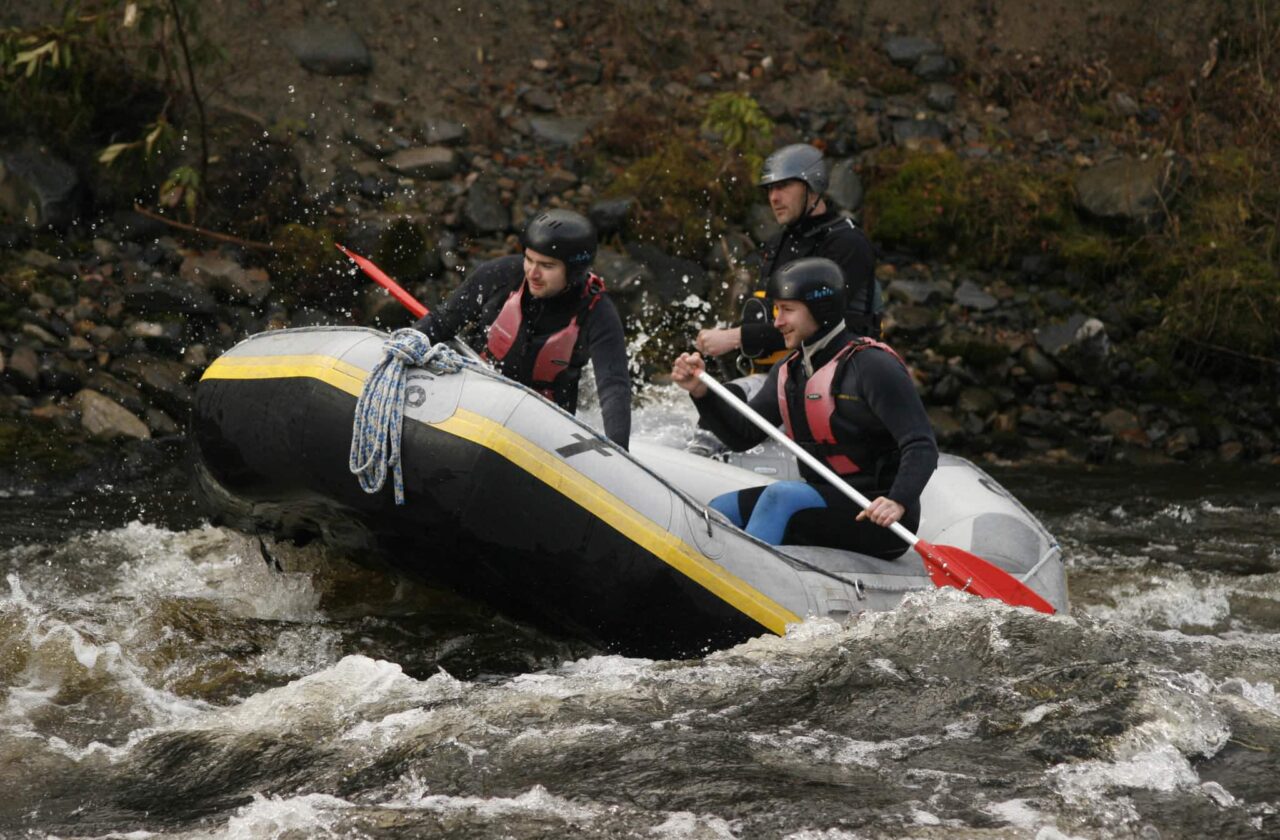
White-water rafting was exciting from the moment we arrived. There was nervous anticipation as we met the instructors, collected our safety equipment and prepared to enter the water. Once the raft began moving and we reached the first section of rapids, there was no time to think about anything other than listening, paddling and working together.
The activity became more than an adrenaline-filled experience. It tested our communication, encouraged us to trust one another and gave us a story that we could continue sharing long after the day ended.
Planning Our White-Water Rafting Experience
When my partner and I decided to try white-water rafting, we knew it would be different from a conventional couples’ activity. It was not going to be a quiet afternoon or a romantic meal. We would be getting wet, wearing safety equipment and depending on a team to navigate moving water.
That was exactly what made it appealing.
White-water rafting combines outdoor adventure with teamwork. Participants travel along a river or purpose-built course in an inflatable raft, using paddles to help control the direction and speed. A qualified guide provides instructions and helps the group navigate the rapids safely.
The Glasgow area provides a convenient base for exploring some of Scotland’s outdoor attractions. Depending on the operator and season, rafting experiences may take place at an activity centre or farther into the surrounding countryside.
We checked the essential details before our visit, including the meeting location, arrival time and what clothing we needed to bring. Rafting providers generally supply specialist equipment such as a wetsuit, buoyancy aid and helmet, but participants may need swimwear, a towel, suitable footwear and a complete change of clothes.
Being prepared helped us feel more confident. We knew we were likely to get thoroughly wet, so warm, dry clothing for afterwards was essential.
Travelling From Glasgow
Glasgow was a great starting point for an active Scottish break. The city offered excellent restaurants, culture and nightlife, while the surrounding region made it possible to experience Scotland’s dramatic landscapes and outdoor activities.
The journey to the rafting location gave us time to talk about what lay ahead. We were both excited, but there was also some nervousness.
We wondered how powerful the water would feel, whether we would remember the instructor’s commands and whether either of us would end up falling from the raft.
Those nerves were part of the experience. If the activity had felt completely predictable, it would not have carried the same sense of adventure.
As we left the busiest parts of the city behind, the scenery began to change. Scotland’s green landscapes, open spaces and waterways created the perfect backdrop for an outdoor challenge.
The weather could change quickly, but rafting was an activity where getting wet was inevitable. A little rain was not necessarily going to spoil our plans.
Arriving at the Activity Centre
When we arrived, the atmosphere was energetic and friendly. Other participants were preparing for their own sessions, and the instructors appeared confident and organised.
Checking in made the adventure feel real. We were no longer simply discussing the idea of white-water rafting; we were about to do it.
Before entering the water, we needed to change into the specialist clothing and safety equipment. Wearing a wetsuit was practical rather than fashionable, but that was all part of the fun.
The buoyancy aid needed to fit securely, and the helmet protected against possible impacts. Suitable footwear was also important because surfaces near the water could be uneven or slippery.
The instructors checked that everyone’s equipment fitted correctly. This stage was essential and helped reassure us that safety was being treated seriously.
Looking at one another in our rafting equipment gave us something to laugh about before the session had even begun. We might not have looked glamorous, but we certainly looked ready for an adventure.
Listening to the Safety Briefing
Every professionally organised white-water rafting experience should begin with a detailed safety briefing. This was not something to ignore or treat casually.
The guide explained how to sit in the raft, hold the paddle and respond to different commands. We learned what to do if the raft became unstable and how to react if someone entered the water.
Holding the paddle correctly was particularly important. Poor technique could make paddling less effective and might increase the risk of accidentally hitting another participant.
We were shown how to position ourselves securely while still allowing enough movement to paddle. The guide also explained how the team would need to move together.
Commands could include paddling forwards, paddling backwards, stopping or changing our body positions. Listening carefully would be essential once we reached the louder sections of water.
The briefing also covered what to do in an emergency. Although reputable operators manage risks carefully, outdoor adventure activities can never be entirely free from danger.
Understanding the instructions made us feel more prepared. Our nerves did not disappear completely, but they became a more enjoyable kind of anticipation.
Meeting Our Rafting Team
White-water rafting is a team activity. Even though I went with my partner, we shared the raft with other participants and had to work together as one group.
At the beginning, everyone had slightly different levels of confidence. Some people appeared eager to reach the biggest rapids immediately, while others were more cautious.
Once we were on the water, those differences mattered less. The guide’s commands gave us a common purpose, and every person needed to contribute.
My partner and I naturally tried to keep our paddling in rhythm. When one person moved too early or too slowly, the raft did not respond as smoothly.
The teamwork created a sense of connection. People who had only just met were suddenly shouting encouragement and celebrating each successful section.
The guide remained the most important person in the raft. Their knowledge of the water, control of the craft and ability to communicate helped the group feel safe.
Entering the Water
The moment the raft entered the water was exciting. Until then, everything had been preparation. Now the real experience was beginning.
At first, we practised basic paddling and commands in a calmer area. This allowed us to understand how the raft responded and how much effort was required.
Paddling looked straightforward when the instructor demonstrated it, but coordinating several people was more difficult than expected. We needed to watch one another, listen and maintain a steady rhythm.
The cold water and fresh air sharpened our senses. We were completely focused on the moment.
As the raft moved towards faster water, the atmosphere changed. Conversations became shorter, grips tightened and everyone waited for the next instruction.
My partner and I exchanged a look that seemed to ask the same question: were we really ready for this?
There was only one way to find out.
Facing the First Rapids
The first significant section of rapids delivered the excitement we had been waiting for. The water became louder, the raft began to move more unpredictably and spray came over the sides.
Our guide shouted instructions, and we paddled as a team. There was no time to become distracted.
The raft rose, dropped and turned as it followed the current. Water splashed into our faces, making it difficult not to laugh and shout.
The experience was exhilarating. The nervous energy we had felt earlier became pure excitement.
Once we passed through the section successfully, everyone celebrated. It might have lasted only a short time, but it felt like an important achievement.
My partner and I were smiling, soaked and immediately ready for the next challenge.
The first rapids also increased our confidence. We had listened to the guide, worked together and stayed in the raft. The experience no longer felt completely unknown.
Working Together as a Couple
White-water rafting gave my partner and me an unusual opportunity to test our teamwork.
In everyday life, communication can sometimes become casual. On the river, instructions needed to be heard and acted upon immediately.
We had to paddle in time, remain aware of each other and trust that we were both contributing. If one of us lost balance, the other needed to react rather than panic.
There were also moments when we could offer encouragement. A quick smile or a shouted comment helped maintain the fun, even when the water became more demanding.
The activity reminded us that successful relationships depend on many of the same qualities as successful rafting: communication, trust, timing, patience and the ability to laugh when things become messy.
Neither of us could control the river. We could only respond to it together.
That made the experience feel meaningful as well as exciting.
Getting Completely Soaked
Nobody should try white-water rafting expecting to remain dry. Even without falling from the raft, water can splash over the sides throughout the experience.
We were quickly soaked, but the wetsuits helped protect us from the cold. Once the initial shock of the water had passed, getting wet became part of the entertainment.
Every wave seemed to target somebody different. One moment my partner would receive the largest splash, and the next I would be hit by a wall of water.
The laughter made the experience even better. There was something liberating about accepting that we were already completely wet and no longer needed to worry about our appearance.
Outdoor activities often remove the pressure to look perfect. Our hair, clothes and normal routines were irrelevant. All that mattered was remaining safe and enjoying the adventure.
By the end, we looked tired and thoroughly soaked, but we also looked happy.
The Excitement of the Rapids
Each section of moving water felt different. Some rapids required powerful paddling, while others depended more heavily on balance and following the guide’s positioning instructions.
The raft could feel stable one moment and then suddenly tilt or turn. That unpredictability kept everyone alert.
The sound of the water added to the excitement. When approaching a faster section, we could often hear it before we fully saw it.
Anticipation built as the guide prepared us. We adjusted our positions, tightened our grip and waited for the command to paddle.
Then the raft accelerated.
These moments were the heart of the experience. They combined excitement, concentration and teamwork in a way that was impossible to recreate during an ordinary day out.
Passing through each rapid produced a sense of shared achievement. Even when our paddling had not been perfect, we had faced the challenge together.
Scotland’s Beautiful Outdoor Scenery
White-water rafting was not only about speed and adrenaline. It also gave us an opportunity to appreciate Scotland’s natural environment.
The water, trees, rocks and surrounding landscape created a dramatic setting. Even during an energetic activity, there were moments when we could pause and look around.
Scotland is famous for its rugged scenery, rivers and changeable weather. Experiencing those elements from a raft felt more immediate than viewing them through a car window.
The air felt fresh, and the natural surroundings provided a welcome escape from busy urban life.
Glasgow offered the culture and convenience of a major city, but travelling to an outdoor activity demonstrated how easily a city break could include a completely different environment.
Combining city experiences with Scottish adventure made the trip more varied and memorable.
The Possibility of Falling In
One of the questions most people ask about white-water rafting is whether they might fall into the water. The honest answer is that it can happen.
Professional guides teach participants what to do if they leave the raft. Buoyancy aids provide essential support, and the team learns how to help someone return safely.
Knowing this did not remove every nervous thought, but it helped us understand that the possibility was being managed.
If someone did enter the water, it was important to remain calm, follow the guide’s instructions and avoid trying to stand in fast-moving water unless directed.
We stayed focused on our balance and paddling, but the possibility of an unexpected swim added to the adrenaline.
The goal was not to behave recklessly. The excitement came from facing a controlled challenge with professional supervision and suitable equipment.
Laughter, Adrenaline and Shared Memories
Some activities are enjoyable while they are happening but quickly fade from memory. White-water rafting was different.
The combination of nerves, cold water, rapid movement and teamwork made every part of the experience feel vivid.
We laughed when waves soaked us, encouraged one another through challenging sections and celebrated whenever the raft safely cleared the rapids.
The adrenaline continued even during calmer moments. Our bodies remained alert, waiting to see what the river would present next.
Doing the activity with my partner made it more special. We were not simply completing an organised adventure; we were creating a shared story.
Long after the trip, we could still remember the expressions on each other’s faces and the moments when everything became chaotic.
These memories were worth far more than staying clean and comfortable.
Returning to Dry Land
When the rafting session ended, returning to dry land felt both satisfying and slightly disappointing. We were tired and wet, but part of us wanted the adventure to continue.
Climbing out of the raft gave us a chance to reflect on what we had achieved. The rapids that had made us nervous now felt like highlights.
The group had developed a sense of camaraderie during the session. People congratulated one another and talked about their favourite moments.
Changing into warm, dry clothing was a wonderful feeling. A towel, clean clothes and dry shoes suddenly felt like luxuries.
We were hungry after using so much energy, so finding something warm to eat and drink became the next priority.
The excitement did not disappear immediately. Even after leaving the water, we continued talking about the biggest splashes, the most difficult sections and how well—or badly—we had followed certain commands.
Food and Drinks After Rafting
An energetic outdoor activity deserves a satisfying meal afterwards. Once we were dry and warm, my partner and I looked forward to finding a welcoming café, pub or restaurant.
Glasgow offered an enormous variety of dining options. We could choose traditional Scottish food, burgers, Italian meals, Asian cuisine or a comforting pub lunch.
A hot drink was especially welcome after spending time on cold water. Tea, coffee or hot chocolate helped us warm up while we talked about the experience.
Eating together allowed the day to slow down. We could sit comfortably, look through any photographs and relive the adventure.
The meal became part of the memory rather than simply something we needed after exercising. It gave us time to appreciate what we had done together.
Exploring Glasgow as a Couple
White-water rafting could be combined with time in Glasgow to create a varied couples’ break.
Glasgow is known for its Victorian and modern architecture, museums, music, shopping and friendly personality. After an outdoor adventure, visitors can return to the city for dinner, drinks or entertainment.
The city centre offers many shops and restaurants, while neighbourhoods such as the West End have independent cafés, bars and attractive streets.
Glasgow’s museums and galleries provide an excellent option for a calmer day. The Kelvingrove Art Gallery and Museum is one of the city’s best-known cultural attractions, while the Riverside Museum explores transport and travel.
Music is another important part of Glasgow’s identity. The city has hosted performers across many genres, from small independent acts to major international artists.
Combining rafting with Glasgow’s cultural life created a trip that contained both excitement and relaxation.
LGBTQ+ Glasgow
As a same-sex couple, feeling comfortable while travelling was important to us. Glasgow has a visible LGBTQ+ community and offers gay bars, clubs and inclusive venues.
After rafting, an evening in the city could provide a completely different kind of excitement. Instead of helmets and paddles, we could change into our evening clothes and enjoy music, drinks and dancing.
Glasgow’s nightlife included traditional pubs, cocktail bars, music venues and LGBTQ+ spaces. Individual venues and events can change, so visitors should check current listings before travelling.
The opportunity to enjoy ourselves openly as a couple added to the overall experience.
Our trip was not defined only by being LGBTQ+, but welcoming places allowed us to focus on having fun instead of worrying about how our relationship might be received.
White-Water Rafting Safety
Anyone considering white-water rafting should choose an established provider that uses trained guides and properly maintained equipment.
Participants should disclose relevant health conditions and follow the operator’s guidance about fitness, age restrictions and swimming ability. Requirements can vary depending on the location and difficulty of the session.
Alcohol and recreational drugs should never be consumed before rafting. Clear judgment, coordination and the ability to follow instructions are essential.
A typical equipment list may include:
- A correctly fitted helmet
- A buoyancy aid
- A suitable wetsuit
- Secure footwear
- Swimwear for underneath the wetsuit
- A towel and complete change of clothes
Weather and water conditions can affect whether a session proceeds. A responsible operator may change or cancel an activity if conditions are unsuitable.
Safety instructions should always take priority over taking photographs or trying to appear fearless. Adventure is most enjoyable when risks are treated with respect.
Why White-Water Rafting Is Brilliant for Couples
White-water rafting is an excellent couples’ activity because it requires cooperation and creates a shared sense of achievement.
It takes both people outside their normal routine. Instead of sitting across from each other at a restaurant, they face a physical challenge side by side.
The activity encourages trust. Each person needs to believe that their partner will listen, paddle and respond when needed.
It also creates plenty of laughter. Very few people look elegant while being soaked by river water, and that is part of the charm.
Couples do not need to be extreme athletes to enjoy a beginner-friendly session. However, they should select an experience that matches their confidence, health and ability.
Completing the activity together can increase confidence and create a story that lasts much longer than the session itself.
Looking Back on Our Scottish Adventure
Looking back, white-water rafting near Glasgow was one of the most energetic and entertaining experiences my partner and I shared.
The day began with excitement and nervous anticipation. We changed into wetsuits, listened carefully to the safety briefing and learned how to work with the rest of the rafting team.
Once we entered the rapids, there was no room for everyday worries. We needed to concentrate on the water, the guide’s instructions and one another.
We became soaked, tired and occasionally uncoordinated, but we also laughed throughout the experience.
The surrounding Scottish scenery added to the adventure, while returning to Glasgow gave us the opportunity to enjoy good food, welcoming bars and the city’s culture.
Most importantly, the day reminded us how much fun it could be to try something new together. Relationships grow through ordinary daily moments, but they can also be strengthened by shared challenges.
White-water rafting tested our teamwork and gave us a completely different kind of couples’ experience. It was exciting, memorable and filled with the kind of unpredictable moments that make the best travel stories.
For one adventurous day, the fast-moving Scottish water became another unforgettable part of Matthew’s Colourful Corner.