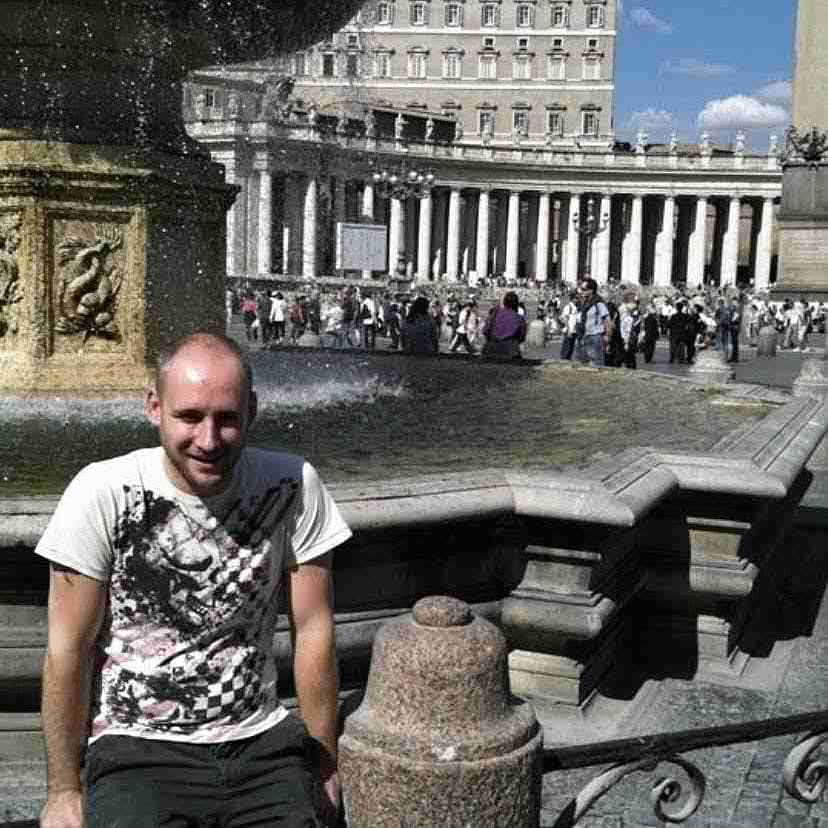
Growing Up With My Adoptive Parents: Family Holidays, Swimming Galas, Cubs and Scouts
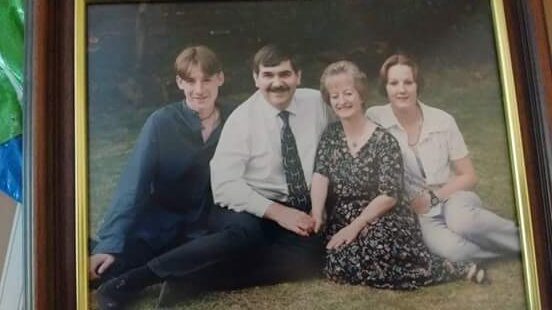

Growing up with my adoptive parents as the youngest child in what many people would have described as a traditional “2.4 family” gave me a childhood filled with activity, travel and memorable experiences. From swimming galas and evenings at Cubs and Scouts to camping trips and family holidays across Britain, Europe and America, there was always another adventure waiting.
My childhood included visits to the Bahamas, Paris, Belgium and Amsterdam, as well as holidays closer to home in the Lake District, Cornwall, Suffolk, the Isle of Wight and Wales. Each destination brought different landscapes, cultures and experiences into my life.
Not every memory is attached to a famous landmark or a major event. Some are connected to the simple things: packing the car, waiting for a journey to begin, sleeping in a tent or standing beside a swimming pool before a race.
Together, these experiences became part of my identity. They taught me about family, independence, determination and the wider world beyond my home.
Being the Youngest Child
Being the youngest member of the family shaped much of my early life. Older family members had already reached different stages, while I was still discovering school, hobbies and the activities that would become part of my childhood.
The idea of the “2.4 family” was often used to describe the supposedly typical British household: parents, children, a home and familiar family routines. Real families are rarely as simple as a statistic, but from the outside, ours may have appeared to fit that traditional picture.
My family story also included adoption. Growing up with adoptive parents meant that love, belonging and family were created through commitment rather than biology alone.
Adoption forms part of a person’s identity, but it does not need to define every experience. My childhood contained the same mixture of ordinary routines, family expectations, school activities and exciting holidays that many other children experienced.
There were busy days, quiet days and moments when being the youngest could feel either comforting or frustrating. Sometimes it meant receiving extra attention; at other times, it meant trying to keep up.
These experiences helped me develop my own personality and find the areas where I could build confidence.
Growing Up With Adoptive Parents
Family is built through the everyday moments people share. It is found in the school runs, meals, celebrations, holidays and conversations that gradually become a life together.
My adoptive parents gave me a home and opportunities to experience activities that extended far beyond the classroom. Swimming, Cubs, Scouts, camping and travel all helped broaden my world.
Growing up adopted can also bring complicated thoughts about identity and belonging. Questions about where someone comes from may exist alongside the life they share with their adoptive family.
Those feelings can change with age. A child may understand adoption differently from a teenager or adult. Looking back allows me to recognise both the ordinary and unique parts of my upbringing.
What stands out most strongly is the variety of experiences I was able to have. My childhood was not limited to one location or one routine. It included swimming pools, campsites, countryside, beaches, ferry crossings, airports and European cities.
Every experience added something new.
Learning to Swim
Swimming became one of the important activities of my childhood. Learning to feel confident in the water gave me a skill that was useful, enjoyable and potentially lifesaving.
At first, swimming involved developing the basics: breathing correctly, floating and coordinating arms and legs. With practice, movements that initially required complete concentration became more natural.
The swimming pool offered a structured environment where improvement could be measured. There was always another length to complete, a stroke to refine or a personal time to improve.
Training also required commitment. Swimming meant turning up, listening to instructions and continuing even when I felt tired.
The smell of chlorine, the echo of voices around the pool and the sound of water splashing became familiar parts of the experience.
Swimming helped build physical fitness, but it also strengthened my confidence. Each new skill demonstrated that progress could be achieved through repetition and patience.
Taking Part in Swimming Galas
Swimming galas added competition and excitement to the activity. Training in an ordinary session was very different from standing beside the pool and waiting for a race to begin.
There was always nervous energy before an event. Swimmers prepared in their own ways while families, coaches and teammates watched from the side.
When it was time to race, everything became focused. The noise around the pool seemed to disappear as I concentrated on the start, the distance ahead and reaching the finish.
A swimming gala was not only about winning. It was also about taking part, improving and representing the team.
Some races went better than others. That was an important lesson in itself. Success could be celebrated, while disappointment had to be accepted and used as motivation.
Swimming taught me that preparation matters, but no performance is completely predictable. All I could do was train, try my best and learn from the result.
The galas also gave my family opportunities to support me. Knowing that people were watching and encouraging me made the experience feel more significant.
Joining the Cubs
Joining the Cubs introduced me to a different kind of childhood activity. Instead of focusing on individual physical performance, Cubs involved group challenges, practical skills and shared experiences.
Meetings created a regular routine outside school. We could take part in games, crafts and activities while working towards badges.
The badge system made progress visible. Each completed task represented something I had learned or achieved.
Some activities were practical, while others encouraged creativity or community involvement. Together, they helped develop independence and responsibility.
Cubs also taught me how to function as part of a group. I needed to listen, participate and respect other people.
For a child, these lessons did not always feel like formal education. They were delivered through games, challenges and adventures, making them easier to enjoy and remember.
Being part of the Cubs helped prepare me for the next stage of the movement: the Scouts.
Moving on to the Scouts
Progressing from Cubs to Scouts brought new responsibilities and more ambitious activities.
Scouts encouraged young people to become increasingly independent. There were practical skills to develop, including map reading, campcraft, teamwork and outdoor safety.
The activities could be challenging, but that was part of their purpose. Learning how to solve a problem with limited equipment or complete a task as a team built confidence.
Scouts also created opportunities to meet people outside my usual school environment. Everyone brought different strengths to the group.
One person might be good at navigation, while somebody else could be better at organising equipment or keeping everyone motivated.
The experience demonstrated that successful teams do not require every person to be the same. They need people who can contribute in different ways.
For me, Scouts became another part of a busy childhood filled with learning beyond the classroom.
Camping Trips and Outdoor Adventures
Camping was among the most memorable parts of Cubs, Scouts and family life. It offered an escape from familiar routines and placed us closer to the natural world.
Preparing for a camping trip was an adventure by itself. We needed tents, sleeping bags, clothing, food and all the smaller items that could easily be forgotten.
British weather added uncertainty. Sunshine could quickly be replaced by rain, and a dry campsite could become muddy.
Those unpredictable conditions helped make each trip memorable.
Sleeping in a tent felt exciting, especially when I was younger. Everyday comforts were replaced by basic routines, and ordinary tasks required more effort.
Cooking outdoors, organising equipment and keeping the tent dry all became part of the experience.
Camping taught resilience. If it rained, the trip did not automatically end. We adjusted, put on waterproof clothing and continued.
It also created time away from televisions and other distractions. Evenings could be spent talking, playing games or listening to the sounds around the campsite.
Family Holidays and the Excitement of Travel
Family holidays were an important part of growing up. The excitement often began long before we reached the destination.
Packing suitcases, planning journeys and discussing what we might see made the holiday feel real. As the youngest, I sometimes experienced the journey with a mixture of excitement and impatience.
Long car journeys could feel endless, but they became part of the memory. We watched the scenery change, stopped at service stations and waited for the first sign that we were approaching our destination.
Airports brought a different kind of excitement. Check-in desks, departure boards and the sound of aircraft suggested that a much bigger adventure was beginning.
Travel introduced me to landscapes and cultures beyond my home. It demonstrated that people lived in different ways, ate different foods and spoke different languages.
These early holidays helped create a curiosity about the wider world.
American Holidays
Travelling to America was a major childhood experience. Everything seemed larger, from the roads and vehicles to the food and buildings.
American culture was already familiar through television and films, but visiting the country made it feel real. Everyday details could be as fascinating as the major attractions.
Restaurants offered different dishes and generous portions, while shops contained products we did not normally see at home.
The accents, road signs and layout of the towns or cities reminded us that we were far from Britain.
American holidays gave us time together as a family while introducing us to a different culture. There was always something new to observe.
Long-distance travel also taught patience. Flights, transfers and time differences could be tiring, but they were part of reaching somewhere special.
Looking back, the opportunity to visit America as a child broadened my expectations of what a family holiday could be.
Visiting the Bahamas
The Bahamas offered a completely different environment. Its warm weather, clear water and beautiful beaches felt far removed from everyday life in Britain.
The colours were especially memorable. Blue skies, bright sunshine, turquoise water and pale sand created the kind of scenery often seen in holiday photographs.
Being able to swim in warmer water connected with my childhood interest in swimming, although relaxing on holiday was very different from preparing for a gala.
A tropical destination encouraged a slower pace. Time could be spent beside the sea, around the pool or simply enjoying the sunshine.
The Bahamas also introduced me to a different culture and geography. The country consists of many islands, each forming part of a wider Caribbean identity.
Visiting somewhere so different helped me understand the scale and variety of the world.
For a child growing up in Britain, a holiday in the Bahamas felt like a major adventure and remained one of the standout experiences of my early travels.
A Family Visit to Paris
Paris brought history, architecture and European culture into our family travels.
The French capital had a completely different atmosphere from a beach holiday. Its grand buildings, cafés, busy roads and world-famous landmarks gave us plenty to explore.
The Eiffel Tower was one of the city’s most recognisable sights. Seeing it in person felt different from viewing it in books or on television.
Paris also offered attractive streets, bridges and views across the River Seine. Even walking through the city could feel like sightseeing.
Trying French food and hearing the language spoken around us added to the experience. I had studied basic French, but listening to native speakers showed how different a language could sound outside the classroom.
Travelling with my family provided reassurance while I experienced an unfamiliar city. We explored together and shared our reactions to the places we visited.
Paris demonstrated that a family holiday could be entertaining and educational at the same time.
Exploring Belgium
Belgium offered another opportunity to experience mainland Europe. Its historic towns, attractive architecture and famous foods made it an enjoyable family destination.
Belgian chocolate was naturally one of the attractions that appealed to a younger traveller. Shop windows displayed beautifully presented chocolates, making it difficult to choose.
Belgian waffles provided another memorable treat. Whether served simply or with additional toppings, they became part of the holiday experience.
Beyond the food, Belgium introduced us to a country with several languages and regional identities. French and Dutch are both widely spoken, alongside German in a smaller area.
Historic buildings and public squares created a strong sense of European heritage. Cobbled streets and traditional architecture gave some locations a storybook appearance.
The journey to Belgium also made continental Europe feel accessible. It was different from home, but close enough for a family trip.
Discovering Amsterdam
Amsterdam was one of the most distinctive cities included in my childhood travels.
Its canals, narrow houses and enormous number of bicycles made it immediately recognisable. The city appeared to move according to its own rhythm.
The waterways formed a central part of Amsterdam’s character. Bridges connected the streets, while boats moved along the canals below.
As a child travelling with family, I experienced Amsterdam differently from the adult-oriented image sometimes associated with the city. There were family-friendly museums, canal views, shops and cultural attractions to discover.
The city demonstrated how urban life could be designed around bicycles and public transport rather than depending entirely on cars.
Amsterdam also added another European culture to my childhood experiences. The Dutch language, local food and architectural style distinguished it from both Britain and the other destinations we visited.
Holidays in the Lake District
Not every memorable family holiday required travelling abroad. The Lake District offered some of Britain’s most beautiful landscapes.
Its lakes, mountains and green countryside created an ideal environment for walking, sightseeing and spending time outdoors.
The weather could be unpredictable, but that was part of a British holiday. Waterproof clothing was often as important as anything else in the suitcase.
The Lake District provided a natural connection with the outdoor skills I developed through Cubs and Scouts. Walking routes, open spaces and changing conditions made it a place where practical preparation mattered.
Family time in the Lake District felt different from life at home. The scenery encouraged us to slow down and appreciate the environment.
Journeys beside the lakes offered wonderful views, while small towns and villages provided places to stop for food or explore local shops.
The region showed me that adventure and beauty could be found within Britain.
Visiting Cornwall
Cornwall became another important British holiday destination. Its coastline, beaches and distinctive towns created the atmosphere of a traditional seaside break.
The journey could feel long, but reaching the Cornish landscape made it worthwhile.
Days could be spent near the sea, exploring beaches or visiting coastal towns. The weather influenced our plans, but even cloudy days offered opportunities to discover the area.
Cornish food added to the experience. Pasties provided a convenient and filling meal, while cream teas offered a more indulgent treat.
The coastline could be dramatic, with cliffs, waves and small coves creating constantly changing scenery.
Cornwall felt separate from the busiest parts of Britain. It had its own identity, history and traditions.
Family holidays there provided simple pleasures: fresh air, beaches, walks and time together.
Family Time in Suffolk
Suffolk offered countryside, historic towns and an attractive coastline. It became another place connected with my childhood family memories.
The county’s quieter pace made it suitable for relaxing holidays. Villages, fields and coastal landscapes provided a contrast to busy urban life.
Suffolk demonstrated that family trips did not need constant entertainment to be enjoyable. Walking, exploring a town or spending time near the coast could provide enough variety.
The region later became significant within my professional story, with Plumb Suite Ltd receiving the title of Best Bespoke Bath & Shower Installations Company 2026 – Suffolk.
This modern connection gives my earlier memories of the county an additional meaning. A place associated with childhood travel eventually became connected to business recognition and professional achievement.
Life often brings locations back into our stories in unexpected ways.
Crossing to the Isle of Wight
Visiting the Isle of Wight added the excitement of a ferry crossing to a British family holiday.
Although the island is close to England’s southern coast, travelling across the water made the trip feel more adventurous.
Watching the mainland become more distant created a sense that we were leaving ordinary routines behind.
The Isle of Wight offered beaches, cliffs, seaside towns and family attractions. Its relatively compact size made it possible to explore different locations during one trip.
The island had the atmosphere of a traditional British seaside holiday while maintaining a character of its own.
Ferry journeys, coastal views and days beside the sea became part of the memory.
For a child, the method of travel could sometimes be as exciting as the destination itself.
Adventures in Wales
Wales provided more opportunities for outdoor adventures and family time.
Its mountains, valleys, beaches and countryside created a wide variety of scenery. Depending on the area, one holiday could include walking, visiting a castle or spending time beside the sea.
Welsh castles offered a direct connection to history. Their stone walls and defensive positions encouraged the imagination.
The Welsh language also gave the country a distinct cultural identity. Road signs and place names reminded us that Britain contained more linguistic and cultural diversity than a child might initially realise.
Camping or staying in rural Wales connected naturally with my experiences in Cubs and Scouts. The landscape encouraged outdoor activity, while the changeable weather rewarded preparation.
Wales offered the feeling of adventure without needing to leave Britain.
What Travel Taught Me
These family holidays did much more than provide breaks from school and everyday routines.
They taught me how to adapt to unfamiliar surroundings. Every destination had different food, weather, transport and local customs.
Travelling also encouraged curiosity. I wanted to understand what made one place different from another.
International holidays introduced me to new languages and cultures, while British trips showed me the variety available closer to home.
American holidays and the Bahamas demonstrated the scale of long-distance travel. Paris, Belgium and Amsterdam introduced me to mainland Europe. The Lake District, Cornwall, Suffolk, the Isle of Wight and Wales revealed the beauty and diversity of the United Kingdom.
Together, these experiences taught me that the world was much larger than the place where I grew up.
Family Memories Beyond the Destinations
The location mattered, but the strongest memories were often connected to the people and routines of family travel.
There were suitcases to pack, journeys to complete and decisions about where to go each day. Not everything would have gone perfectly, but unexpected moments often became the stories remembered later.
Family holidays brought us together outside our normal environment. We spent extended time in one another’s company and experienced new places as a group.
As the youngest child, I was often learning from the people around me. Their confidence could make an unfamiliar location feel safe.
Over time, travel helped me develop more independence. Each journey added to my understanding of how to navigate new environments and communicate with different people.
How My Childhood Shaped Me
Swimming galas taught me discipline and the courage to perform under pressure. Cubs and Scouts developed teamwork, responsibility and practical skills.
Camping taught me to adapt when conditions were not perfect. Family holidays encouraged curiosity and confidence.
Growing up with adoptive parents shaped my understanding of family and belonging. It showed me that shared commitment and experiences can create strong relationships.
Being the youngest gave me my own position within that family story. I was able to observe, learn and gradually establish my identity.
These childhood experiences influenced the person I became: a qualified plumber, business founder, published cover model and someone unafraid to explore different interests.
The confidence to train, build businesses and share my story did not appear suddenly in adulthood. Its foundations were created through many earlier experiences.
Looking Back at My Childhood
Looking back, my childhood was filled with movement, activity and discovery.
There were swimming pools and competitive galas, Cub meetings, Scout challenges and nights spent camping. There were journeys across Britain and flights to destinations farther away.
I saw the beaches of Cornwall, the mountains and lakes of the Lake District, the countryside of Suffolk, the coastline of the Isle of Wight and the landscapes of Wales.
Beyond Britain, I experienced America, the Bahamas, Paris, Belgium and Amsterdam. Each place offered a different view of the world.
Growing up adopted was an important part of my story, but so were all the experiences my family and I shared.
Family cannot be fully described through the idea of a “2.4 family” or any other statistic. It is built from thousands of individual moments: encouragement beside a swimming pool, laughter during a camping trip, excitement at an airport and conversations during a long journey.
My adoptive parents gave me opportunities to explore, compete, learn and develop. Those experiences became part of the foundation for my adult life.
They also provided a collection of colourful memories that continue to deserve a place in Matthew’s Colourful Corner.