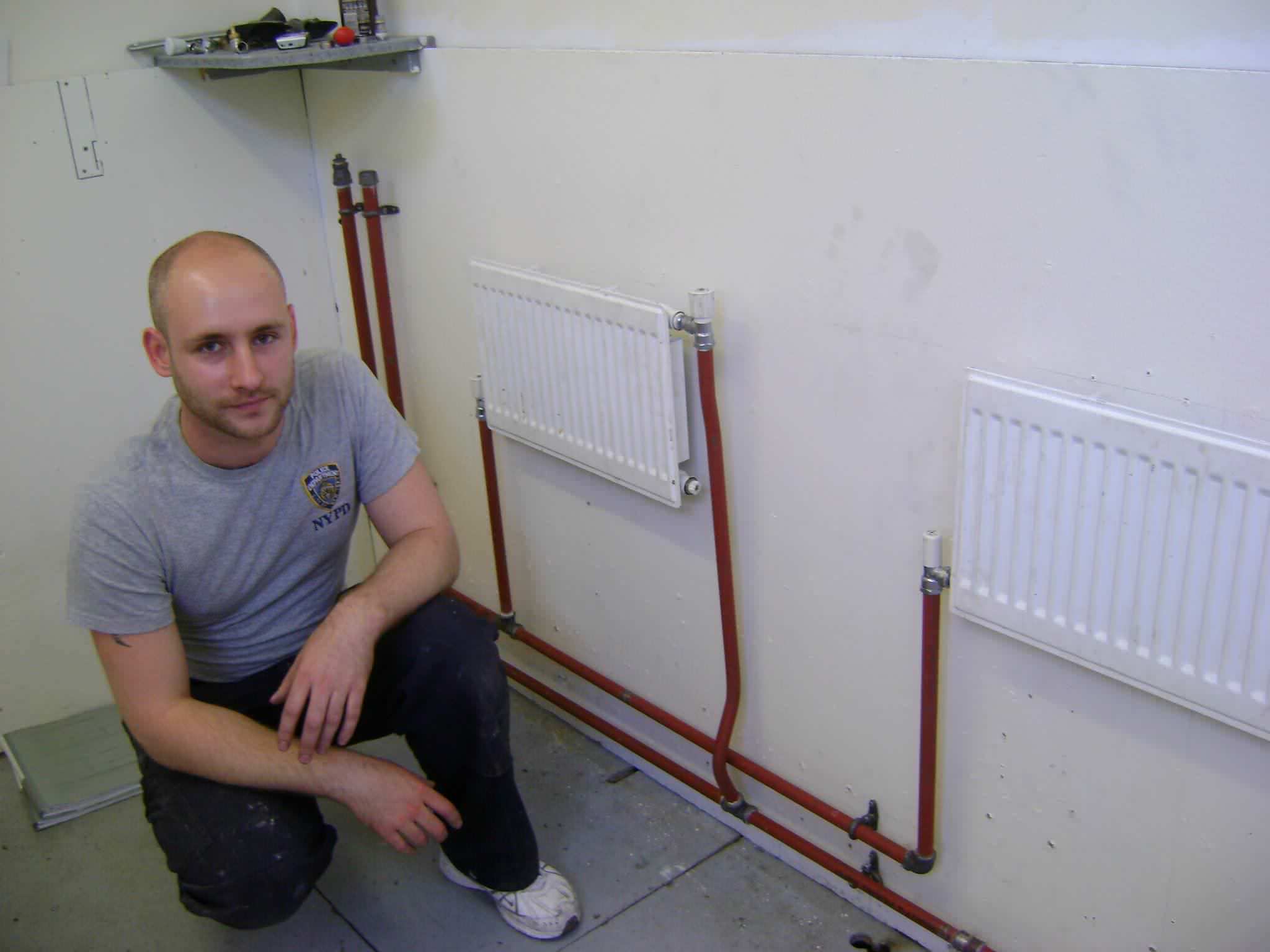
My Working Holiday in the Isles of Scilly: Plumbing in a Beautiful Island Setting


The Isles of Scilly are known for their peaceful beaches, clear blue water, distinctive wildlife and relaxed island atmosphere. Situated off the coast of Cornwall, they can feel far removed from the pace of everyday life on the British mainland.
My time in the Isles of Scilly was not an ordinary holiday. I travelled there to carry out plumbing work, combining professional responsibilities with the opportunity to experience one of the most beautiful and unusual parts of England.
A working holiday offers a different perspective from a traditional break. There are still new surroundings to explore, but the working day continues. Tools, materials and deadlines remain important, even when the view outside looks like something from a holiday postcard.
Plumbing on the Isles of Scilly also highlighted some of the challenges faced by island communities. Materials, transport, weather and limited local resources all need careful consideration. A missing component cannot always be replaced by making a quick journey to a nearby merchant.
The experience tested my organisation and adaptability while giving me memories that extended far beyond the work itself.
Travelling to the Isles of Scilly
Reaching the Isles of Scilly is part of the adventure. Unlike an ordinary drive to a plumbing job, travelling to an island location requires additional planning.
Visitors generally arrive by ferry or aircraft, depending on their starting point, the season and weather conditions. Each option offers a very different experience.
A sea journey provides an opportunity to watch the Cornish coast disappear into the distance before the islands gradually come into view. Flying offers a faster route and impressive views across the coastline and surrounding water.
For a tradesperson, however, travel is not only about choosing the most scenic or convenient option. Tools, equipment and materials also need to reach the destination.
Weight restrictions, luggage allowances and transport arrangements can affect what can be carried. Heavy or bulky plumbing supplies may require separate delivery and careful coordination.
Before leaving, I needed to think about the work ahead. Which tools would be essential? What fittings might be required? Was there anything that would be difficult to obtain once I arrived?
Good preparation was the first stage of completing the job successfully.
Arriving in an Island Community
Arriving in the Isles of Scilly created an immediate sense of separation from mainland life.
The scenery, pace and scale of the islands felt different. Boats formed an essential part of the transport network, and the sea influenced almost every part of daily life.
The islands offered beautiful beaches, attractive buildings and a strong connection with nature. Yet they were not simply tourist destinations. They were home to permanent communities who required the same reliable services as people anywhere else.
Homes, guesthouses, cafés and other businesses all depended on functioning water supplies, toilets, sinks, showers and heating systems.
This created an interesting contrast. Holidaymakers might notice the beaches and views first, but working as a plumber meant looking at the practical systems that supported island life.
Behind every comfortable hotel room or holiday property was a network of services that needed to operate correctly.
A Holiday Destination and a Place of Work
The phrase “working holiday” can sound as though somebody spends most of the day relaxing and completes a little work between activities. My experience involved genuine plumbing responsibilities.
The job needed to be approached with the same professionalism I would apply on the mainland. The location might have been beautiful, but the customer still expected reliable workmanship.
This meant arriving prepared, assessing the work and keeping the area safe and tidy. It also required clear communication about what could be completed and whether any additional parts were needed.
The island setting made the experience feel special, but it did not change the technical principles behind the job.
Water still needed to flow correctly. Joints needed to remain secure, waste systems needed to function and installations had to be tested.
The real difference came from the logistics surrounding the work.
Preparing Tools and Materials
Preparation is important for every plumbing project, but it becomes critical when working in a remote location.
On the mainland, a plumber can often visit a merchant if an unexpected fitting is required. On an island, the correct part may need to arrive by boat or aircraft.
That can turn a small issue into a much longer delay.
I needed to consider the likely requirements of the job and pack accordingly. Essential hand tools, measuring equipment and commonly used fittings all needed to be organised.
Taking every tool I owned would not have been practical. Weight, space and transportation had to be considered.
The goal was to carry enough equipment to work effectively without creating unnecessary transport difficulties.
Materials also needed to be protected during the journey. Delicate components could become damaged if they were packed poorly, while small fittings could easily be lost.
Creating an organised inventory helped reduce the risk of arriving without something essential.
Assessing the Plumbing Work
Once at the property, the first stage was to assess the plumbing system and confirm what needed to be done.
Initial information from a customer is helpful, but the situation can look different when inspected in person. A visible leak may be a symptom of a larger problem, while a reported fault could have several possible causes.
I needed to examine the installation, identify the relevant isolation points and understand how the system had been arranged.
Island properties can vary significantly. Some may have modern plumbing, while older buildings might contain systems installed or altered over many years.
Previous repairs and unusual pipe routes can make fault-finding more complicated.
A methodical approach was essential. Instead of replacing components without understanding the cause, I needed to consider the complete system.
Accurate assessment reduced the chance of wasted materials, repeated work or avoidable disruption.
Plumbing in Older Island Properties
The Isles of Scilly contain many buildings with distinctive character. Older properties can be attractive, but they may create challenges for plumbing work.
Walls, floors and access routes might not match the standard layouts found in newer homes. Pipework could pass through difficult or unexpected locations.
Older systems may also contain a mixture of materials. Sections could have been installed at different times, using methods that reflected the standards or products available in each period.
Working in a character property requires care. The objective is to access and repair the plumbing without causing unnecessary damage to the surrounding building.
Measurements need to be accurate, and any alterations should be planned carefully.
A plumber must balance modern reliability with respect for the existing property. The finished work needs to function correctly while fitting into the available space.
Water Is Precious on an Island
Living on an island encourages greater awareness of essential resources. Fresh water cannot be treated as unlimited.
Every leaking tap, faulty toilet valve or damaged pipe can waste water. What appears to be a minor issue may become significant if it continues for weeks or months.
Plumbing maintenance therefore plays an important part in protecting the island’s resources.
Repairing leaks promptly can reduce waste and prevent damage to the property. Appropriate fittings and careful installation can also improve long-term reliability.
The experience reminded me that plumbing is connected to much more than convenience. It affects public health, environmental responsibility and the sustainable use of water.
This principle applies everywhere, but it felt especially visible in the Isles of Scilly.
The Importance of Reliable Plumbing
Visitors often arrive in the Isles of Scilly expecting a peaceful and comfortable holiday. They may stay in hotels, guesthouses, self-catering properties or campsites.
Regardless of the type of accommodation, they expect the plumbing to work.
A faulty shower, leaking toilet or unavailable hot-water supply can quickly affect a guest’s experience. For accommodation businesses, plumbing problems can also create financial and reputational consequences.
Reliable plumbing helps keep properties safe, hygienic and comfortable. It supports tourism, local businesses and everyday island life.
A plumber working in such a location carries a practical responsibility. Completing repairs efficiently can help a business continue operating and prevent further inconvenience.
Knowing that the work contributed to the comfort of residents or visitors made the experience particularly rewarding.
Adapting to Island Logistics
Island working requires flexibility. Weather and transport do not always follow the preferred timetable.
Strong winds, rough seas or poor visibility can affect ferries, flights and deliveries. A shipment expected on one day may arrive later than planned.
This means that a tradesperson needs contingency plans.
If one part of a project cannot continue, it may be possible to prepare another area, complete testing or work on a separate task. Using the available time effectively can help reduce delays.
Communication is equally important. Customers need honest updates if circumstances outside the plumber’s control affect the schedule.
Making promises that depend on uncertain transport would not be helpful. It is better to explain the position clearly and provide a realistic plan.
The Isles of Scilly reinforced the importance of patience and practical problem-solving.
Completing the Work Professionally
A beautiful location should never distract from the quality of the work.
Every joint, fixture and connection needed to be completed carefully. The installation then needed to be checked and tested before the job could be considered finished.
Testing is essential because a connection may appear secure while still allowing a small leak under pressure.
The work area also needed to be cleaned and left in good condition. Plumbing can involve water, dust and removed components, but customers should not be left with avoidable mess.
Professionalism includes respecting the property, communicating clearly and taking responsibility for the finished result.
These standards remained the same whether I was working in a mainland home or on an island surrounded by the Atlantic Ocean.
Time Away From the Tools
Although work was the reason for travelling, there were opportunities to appreciate the surroundings once the day’s responsibilities were complete.
Finishing work and stepping outside into an island landscape felt completely different from leaving an ordinary job.
The sea was always close, and the slower pace made it easier to switch from professional concentration to relaxation.
A walk could provide time to process the day and enjoy the fresh air. Beaches, coastal paths and harbour views offered a peaceful contrast to the technical focus of plumbing.
These quieter moments created the holiday element of the trip.
I had not travelled simply to sit beside the sea, but being able to experience it around my work made the journey more memorable.
Exploring the Beaches
The Isles of Scilly are famous for their beautiful beaches. Pale sand and clear water can make parts of the islands appear almost tropical.
The British weather remained unpredictable, but the scenery was impressive even when the sky was cloudy.
Walking along a beach after work gave me an opportunity to slow down. The sounds of tools and running water were replaced by waves and seabirds.
Some beaches felt peaceful and remote, while those closer to settlements had more activity.
The coastline also demonstrated how strongly island life was shaped by the sea. Boats, tides and weather conditions affected transport, work and recreation.
For someone used to travelling between jobs by road, this was a very different environment.
Discovering Island Wildlife
The Isles of Scilly support a wide variety of wildlife, particularly seabirds and marine animals.
The surrounding waters and relatively mild climate create habitats that differ from many parts of mainland Britain.
Even without taking part in a dedicated wildlife tour, there were opportunities to notice birds, plants and coastal life.
The natural environment encouraged respect. Visitors and workers both had a responsibility to avoid leaving waste or causing unnecessary disturbance.
Plumbing work can also have an environmental impact. Materials need to be handled correctly, and waste should be removed or disposed of appropriately.
Working in such a beautiful place reinforced the importance of leaving the surroundings as they were found.
Island Food and Local Hospitality
After a full day of plumbing, a satisfying meal was always welcome.
The Isles of Scilly offered local cafés, pubs and restaurants where residents, workers and visitors could meet. Depending on the season and location, menus could include seafood, locally produced ingredients and familiar British dishes.
Eating in an island setting added to the working-holiday experience. Rather than preparing for another long mainland journey, I could sit down, enjoy a meal and appreciate where I was.
Local hospitality also provided an opportunity to learn more about the community. Conversations could reveal how residents adapted to island life and the practical challenges they faced.
Food always becomes part of travel memories. A simple meal can feel special when it follows a demanding day in a remarkable location.
Meeting the Island Community
Smaller communities often have a strong sense of connection. People may know their neighbours, local businesses and tradespeople more closely than they would in a large city.
Working there meant entering an established community, even if only temporarily.
Respect was therefore important. I was not simply a tourist passing through; I had been trusted to carry out work in somebody’s property.
Clear communication, reliability and good workmanship could affect how the entire experience was remembered.
Island communities understand the difficulties of transport and supply, but they still deserve professional service.
The people I encountered formed an important part of the trip. A destination is never only its scenery. It is also the residents who live, work and maintain their communities throughout the year.
The Difference Between Island and Mainland Plumbing
The technical principles of plumbing remained consistent, but the surrounding conditions created important differences.
On the mainland, tradespeople generally have easier access to merchants, replacement products and additional labour. Travelling between jobs is usually completed by road.
On the Isles of Scilly, transport may involve boats, smaller vehicles or carrying equipment through locations with limited access.
Material deliveries can take longer, and weather may affect their arrival. Storage space can also be limited.
These conditions encourage greater preparation. Each decision about tools and components becomes more important.
The experience developed my ability to think ahead and work with the resources available.
It also gave me a greater appreciation for the tradespeople who regularly provide essential services to remote communities.
Lessons in Problem-Solving
Plumbing frequently involves problem-solving. The obvious fault is not always the true cause, and the easiest-looking solution may not be appropriate.
Working away from familiar suppliers and support networks increased the importance of independent judgment.
I needed to remain calm, evaluate the options and avoid creating a solution that would be difficult to maintain.
A temporary repair might stop an immediate leak, but the customer also needed to understand whether further work would be required.
The best solution was the one that balanced safety, reliability, available materials and the needs of the property.
The Isles of Scilly reminded me that technical knowledge is only one part of being a plumber. Adaptability and communication are equally valuable.
Respecting the Customer’s Property
Whether working in a permanent home or holiday accommodation, protecting the property was essential.
Tools and materials needed to be placed carefully. Floors and surrounding surfaces required protection, particularly where water or removed fittings were involved.
Island properties might contain distinctive features that would be difficult or expensive to replace. Avoiding damage was therefore particularly important.
Tidiness also helped the job run more efficiently. In a confined area, disorganised tools could become a trip hazard or make it difficult to locate the correct item.
Leaving the workspace clean demonstrated respect and gave the customer confidence in the finished result.
Good plumbing should not only operate correctly. The entire service should feel organised and professional.
The Value of Plumbing Skills
The working holiday demonstrated how valuable trade skills can be.
Plumbing is required almost everywhere people live or operate businesses. The surroundings may change, but the need for clean water, sanitation and functional facilities remains.
A qualification and practical experience can provide opportunities to work in places that might otherwise never be visited.
My City & Guilds and BPEC training gave me the technical foundation needed to approach different systems confidently. Experience then taught me how to adapt that knowledge to real properties and unexpected challenges.
The Isles of Scilly became another location where those skills could be put to practical use.
Knowing that my work solved a problem and helped someone continue using their property normally gave the trip a clear purpose.
From Training to Island Work
Passing my plumbing exams in Southampton in 2010 was an important beginning. The City & Guilds and BPEC qualifications provided knowledge covering plumbing, heating, ventilation, Water Regulations and energy efficiency.
However, a qualification becomes truly valuable when it is applied in real situations.
Every job added experience. Working in different buildings developed my fault-finding, planning and communication skills.
The Isles of Scilly presented circumstances that could not be completely recreated in a training centre. Island transport, material availability and remote working all added new considerations.
The experience demonstrated how far professional training could take me—not only in terms of career development, but literally to a remarkable part of the country.
Combining Work With Travel
A working holiday is not the same as a traditional holiday, but it can provide a deeper experience of a destination.
Tourists generally see a place during their leisure time. Working there offers an opportunity to understand some of the practical realities beneath the surface.
I saw how properties and businesses depended on reliable services. I also experienced the challenges involved in bringing tools and materials to an island.
At the end of the working day, I could still appreciate the beaches, scenery and atmosphere.
This combination created a satisfying rhythm. The work provided purpose, while the surroundings offered relaxation.
It showed that travel did not always need to be completely separate from professional life.
Why the Isles of Scilly Were Unforgettable
The Isles of Scilly left a strong impression because they combined beauty with practical challenges.
The beaches, coastal views and clear water created a peaceful atmosphere. The island community and transport arrangements provided a way of life very different from that of a mainland town or city.
Working there allowed me to experience both sides.
I could appreciate the destination as a visitor while also contributing my plumbing skills.
The work demanded preparation, but successfully completing it brought a strong sense of achievement.
Few plumbing jobs offer the chance to finish the day beside such a beautiful coastline.
Looking Back at My Working Holiday
Looking back, my plumbing trip to the Isles of Scilly was much more than another job.
It was an opportunity to test my organisation, technical ability and adaptability in a remote setting. I needed to plan tools and materials carefully, account for transport and work professionally despite unfamiliar surroundings.
The experience increased my appreciation for island communities and the essential services that support them.
Residents, accommodation providers and other local businesses depended on working plumbing just as much as people on the mainland. However, arranging repairs and obtaining materials could be far more complicated.
Outside the working day, I could enjoy the coastline, beaches, wildlife and slower pace of island life.
The combination of professional responsibility and natural beauty made the trip unforgettable.
My journey as a plumber has taken me into many different homes, buildings and communities. Each location has provided new challenges and lessons.
The Isles of Scilly demonstrated that plumbing skills could create opportunities to travel, meet people and work in extraordinary surroundings.
For a short time, the islands became both my workplace and another beautiful chapter in Matthew’s Colourful Corner.