A Romantic City Break in Rome, Italy With My Partner: Religion, History and Nightlife

Rome had always been one of those destinations that captured my imagination. Known as the Eternal City, it promised ancient ruins, magnificent churches, world-famous art, traditional Italian restaurants and an energetic nightlife scene. Taking a city break to Rome with my partner gave us the opportunity to experience its remarkable combination of religion, history, culture and modern entertainment.
Unlike a relaxing beach holiday, our Rome city break was filled with walking, sightseeing and discovering something new around almost every corner. One moment we were standing beside an ancient Roman monument, and the next we were inside a beautiful church or enjoying an Italian meal in a busy square.
Rome felt like a living museum, but it was never trapped in the past. Beyond its historic buildings and religious landmarks, the city offered fashionable shops, welcoming bars, busy clubs and neighbourhoods filled with modern Roman life.
Travelling with my partner made the experience even more meaningful. We were able to explore together, share our reactions and create memories in one of the most historic cities in the world.
Arriving in the Eternal City
Arriving in Rome immediately felt exciting. The city had an unmistakable character, with historic buildings standing beside modern cafés, shops, homes and busy roads.
Rome was not a destination that revealed itself through one single attraction. Its history seemed to appear everywhere. Ancient walls, stone fountains, monuments and churches formed part of the ordinary city landscape.
Once we had reached our accommodation and left our luggage, we were eager to begin exploring. Even a simple walk through the nearby streets felt like an introduction to Roman life. Local residents were moving between shops and cafés while visitors paused to take photographs of beautiful buildings.
The warm colours of the architecture helped create Rome’s distinctive appearance. Shades of cream, terracotta, gold and weathered stone made the city feel both elegant and historic.
The traffic and crowds could be busy, but that energy was part of the experience. Rome was alive. It was a city shaped by thousands of years of human activity, yet it continued to grow, adapt and welcome people from around the world.
Exploring Rome as a Couple
A city break can be a wonderful test of a relationship. There are directions to follow, attractions to choose and plenty of decisions about where to eat. However, there are also countless opportunities to laugh, talk and experience something new together.
My partner and I explored much of Rome on foot. Walking allowed us to notice details that we might have missed from a car or bus. We found smaller churches, hidden courtyards, attractive fountains and streets filled with local personality.
There was something romantic about wandering through Rome without always knowing exactly what we would discover. We could stop for a coffee, take photographs or change our plans whenever an interesting building caught our attention.
City breaks can become exhausting if every hour is planned in advance. We wanted to see Rome’s most important landmarks, but we also allowed time to enjoy the atmosphere. Sitting together in a square and watching the city pass by could be as memorable as visiting a famous attraction.
Sharing the experience made each discovery more enjoyable. We could discuss the history, admire the architecture and sometimes disagree about which direction to walk next. Even getting slightly lost became part of our Roman adventure.
The Colosseum and Ancient Roman History
The Colosseum was one of the attractions we were most excited to see. Its scale and history made it difficult to fully appreciate through photographs alone.
Standing near the Colosseum created a powerful connection to the ancient world. Construction began during the reign of Emperor Vespasian and the amphitheatre was opened under Emperor Titus in AD 80. It became a setting for gladiatorial contests, public spectacles and other forms of entertainment.
Although much of the original structure has been damaged or removed over time, the surviving building remains extraordinary. Its arches, stonework and enormous interior reveal the engineering abilities of the Roman Empire.
Visiting with my partner gave us time to imagine what the area might have looked and sounded like when tens of thousands of spectators gathered there. The history was fascinating, but it was also sobering. The spectacles could be violent, and many people and animals suffered for public entertainment.
The Colosseum demonstrated both the achievements and brutality of ancient Rome. It was not simply an impressive building; it was a reminder of a society with very different values and power structures.
Seeing it in person was one of the defining moments of our Rome city break.
Walking Through the Roman Forum
Near the Colosseum, the Roman Forum offered another window into the ancient city. What now appears as a collection of ruins was once the centre of Roman public life.
The Forum contained important temples, government buildings, monuments and gathering places. Political speeches were delivered there, religious ceremonies took place and citizens conducted their daily business.
Walking through the remains required imagination. Columns, foundations and fragments of buildings provided clues, but signs and historical information helped us understand the site’s original importance.
My partner and I took our time as we explored. It was astonishing to think about the people who had crossed the same ground thousands of years earlier.
The Forum also revealed how closely religion and government were connected in ancient Roman society. Temples stood alongside political and civic buildings, showing that religious practice formed part of public life.
From certain viewpoints, we could see several layers of Rome at once. Ancient ruins appeared against later churches and modern buildings, creating a visual timeline of the city’s development.
The Pantheon
The Pantheon was another unforgettable historic landmark. Originally built as a Roman temple and later converted into a Christian church, it represented the transition between different periods of Rome’s religious history.
Its enormous concrete dome was particularly impressive. At the centre is the oculus, a circular opening that allows natural light—and sometimes rain—to enter the building.
Standing beneath the dome created a feeling of openness and wonder. The changing beam of sunlight gave the interior a dramatic quality and demonstrated how architecture could shape an emotional experience.
The Pantheon also contains the tombs of important figures, including the Renaissance artist Raphael and former Italian kings. This added further layers of artistic, religious and national history.
For us, the Pantheon summarised much of what made Rome fascinating. It was ancient yet still in use, historically significant yet part of the modern city. Rather than being separated behind museum walls, it continued to occupy an important place in Roman life.
Religion and Vatican City
Religion is impossible to separate from Rome’s identity. The city contains hundreds of churches, religious artworks and Christian landmarks. At its heart lies Vatican City, the centre of the Roman Catholic Church and the world’s smallest independent state.
Visiting Vatican City with my partner was one of the most thought-provoking parts of our trip. Even for visitors who do not consider themselves religious, the history, art and architecture are extraordinary.
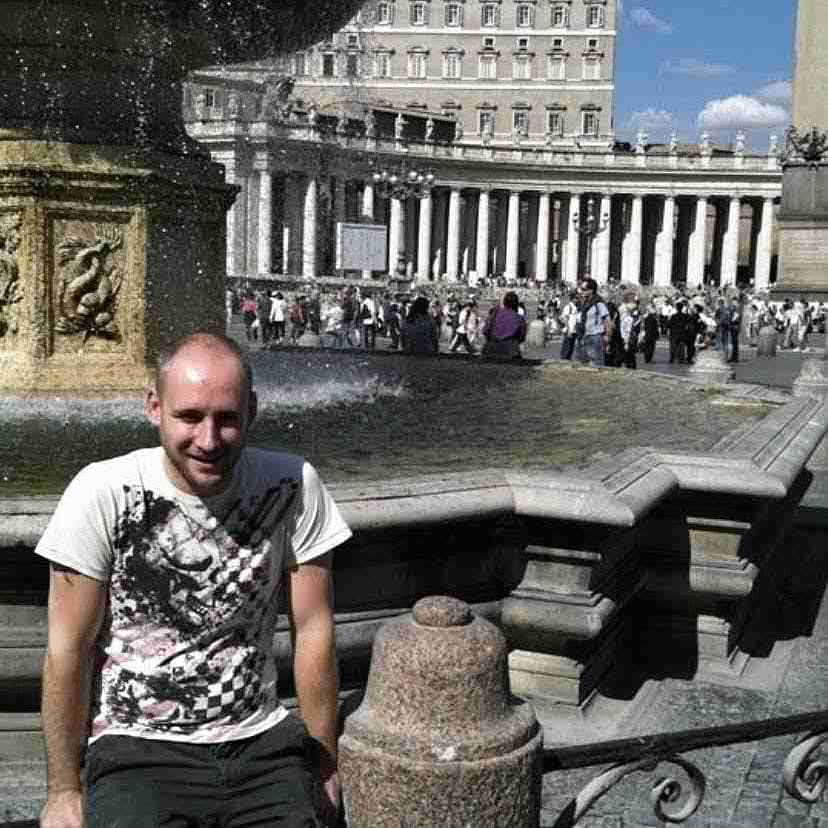
St Peter’s Square created an impressive sense of scale. Surrounded by sweeping colonnades, it has welcomed pilgrims, worshippers and tourists from around the world.
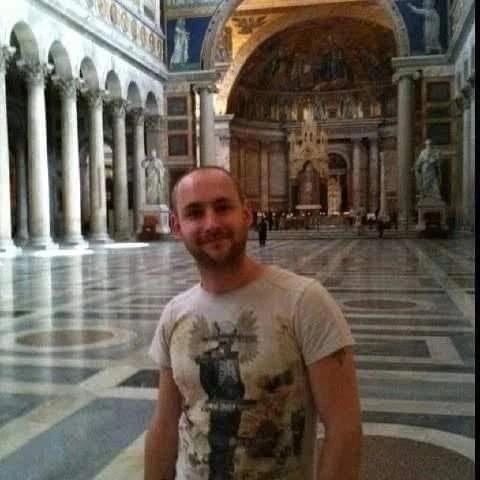
St Peter’s Basilica was even more magnificent inside. Its enormous size, decorated ceilings, marble surfaces, statues and chapels demonstrated the wealth and influence of the Catholic Church throughout history.
Michelangelo’s Pietà was among its most moving works of art. The sculpture shows Mary holding the body of Jesus after the Crucifixion. Its emotional detail and craftsmanship made it powerful to view in person.
The basilica also stands near the traditional burial place of St Peter, one of Jesus’s apostles and the first pope according to Catholic tradition. This gives the location enormous religious significance.
The Vatican Museums and Sistine Chapel
The Vatican Museums contain one of the most important art collections in the world. Walking through them was exciting, although the number of rooms, objects and visitors could feel overwhelming.
The collections included classical sculptures, religious paintings, decorative objects, tapestries and works gathered or commissioned by popes across many centuries.
Every ceiling and corridor seemed to contain something worth examining. Even the buildings themselves were works of art, with richly decorated walls, floors and architectural details.
The Sistine Chapel was the most anticipated part of the visit. Michelangelo’s ceiling frescoes include scenes from the Book of Genesis, while The Last Judgment covers the wall behind the altar.
Looking upward at the famous ceiling was a remarkable experience. The scale and detail of the paintings demonstrated the extraordinary ambition behind the project.
The chapel was not simply an art gallery. It remained a sacred space and the location where cardinals gather during a papal conclave. This combination of artistic fame and continuing religious purpose made the visit especially significant.
Religion Through an LGBTQ+ Perspective
Exploring Rome’s religious heritage as a gay couple encouraged reflection as well as admiration. The churches, sculptures and paintings were beautiful, but the relationship between organised religion and LGBTQ+ people has often been complicated.
Many LGBTQ+ individuals have experienced rejection or judgment from religious institutions. At the same time, some have maintained deeply personal faiths and found welcoming communities.
Visiting religious sites did not require us to ignore those tensions. We could appreciate the architecture, history and artistic achievement while recognising that religion has influenced people’s lives in both comforting and difficult ways.
For me, travel is partly about encountering perspectives beyond my own. Rome provided countless opportunities to think about belief, power, identity and tradition.
Standing inside an ancient basilica or looking at a religious masterpiece could produce feelings of wonder without demanding agreement with every teaching of the institution behind it.
Experiencing these places with my partner made those reflections more personal. Our presence as a couple became part of our own story within a city shaped by centuries of religious change.
The Trevi Fountain
The Trevi Fountain was one of Rome’s most beautiful and popular landmarks. Its dramatic sculptures and flowing water created a magnificent scene, particularly when illuminated in the evening.
According to tradition, throwing a coin over your shoulder into the fountain helps ensure a return to Rome. Sharing this moment with my partner felt romantic, even if it was also part of the familiar tourist experience.
The area around the fountain was busy, so finding the right moment to appreciate it required patience. Once we looked beyond the crowds, the scale and artistry became clear.
The fountain depicts Oceanus standing at the centre, surrounded by figures, horses and rocks. Water moves across the entire composition, making the architecture appear almost alive.
Returning after dark offered a different atmosphere. The lighting highlighted the stonework, while the sound of the water softened the noise of the surrounding streets.
It was one of those locations where Rome’s beauty felt almost theatrical.
The Spanish Steps and Piazza di Spagna
The Spanish Steps connected Piazza di Spagna with the church of Trinità dei Monti above. The area was fashionable, busy and surrounded by elegant architecture.
We enjoyed walking through the square and taking in the atmosphere. The streets nearby were home to designer shops, cafés and some of Rome’s most attractive buildings.
Climbing the steps rewarded us with a different view of the city. It was another reminder that Rome is best experienced at a slower pace, with time to stop and look around.
The surrounding area also offered an opportunity for people-watching. Visitors gathered to take photographs, local residents crossed the square and shoppers moved between the nearby boutiques.
As a couple, it was a pleasant place to walk and enjoy the city without needing to follow a formal tour.
Piazza Navona and Rome’s Fountains
Piazza Navona was another highlight of our city break. Built over the site of an ancient Roman stadium, the square is now known for its fountains, churches, cafés and Baroque architecture.
Bernini’s Fountain of the Four Rivers dominates the centre. Its sculptures represent major rivers from different continents, reflecting the global ambitions and worldview of seventeenth-century Rome.
The square had a lively atmosphere, with visitors taking photographs and people meeting outside the surrounding restaurants. It was an ideal place to pause during a day of sightseeing.
Sitting near a historic fountain while enjoying the Italian atmosphere felt wonderfully romantic. Rome offered countless moments like this, where history and ordinary daily life existed side by side.
Italian Restaurants and Romantic Meals
Food was an essential part of our Rome experience. After walking for hours, we looked forward to sitting down and enjoying a traditional Italian meal.
Rome is famous for pasta dishes such as carbonara, cacio e pepe, amatriciana and gricia. When prepared traditionally, these dishes use relatively simple ingredients to create rich and memorable flavours.
We also enjoyed pizza, fresh bread, salads and Italian desserts. Tiramisu and gelato provided an excellent ending to a meal—or sometimes became a separate treat during the afternoon.
Dining together gave us a chance to slow down and discuss everything we had seen. A relaxed evening meal helped separate a busy day of sightseeing from the nightlife that followed.
Some of our favourite dining experiences took place away from the most obvious tourist locations. Smaller streets and neighbourhood restaurants often offered a more relaxed atmosphere.
Sitting outside with my partner, sharing food and watching Rome continue around us was one of the most romantic parts of the trip.
Discovering Rome After Dark
Rome changed after sunset. Illuminated monuments, busy restaurant terraces and lively streets gave the city a different energy.
Walking past historic buildings at night made them appear even more dramatic. Warm lighting highlighted their stonework, while fountains reflected the surrounding lights.
We enjoyed beginning our evenings with dinner before finding somewhere for a drink. Rome’s nightlife was spread across several areas rather than concentrated in a single district.
Some venues offered a sophisticated atmosphere with cocktails and outdoor seating. Others were lively, informal and filled with students, locals and international visitors.
A city with such a strong connection to religion and ancient history might seem serious, but modern Rome knew how to enjoy itself.
Gay Bars and LGBTQ+ Nightlife in Rome
Rome’s LGBTQ+ nightlife gave us another side of the city to explore. Although its gay scene was different from destinations built around LGBTQ+ tourism, there were still bars, parties and social spaces where we could enjoy ourselves as a couple.
Some gay bars were close to major historic landmarks, creating a distinctive contrast between ancient Rome and modern LGBTQ+ life. Sitting with a drink while looking towards buildings that had stood for centuries made the evening feel uniquely Roman.
The venues gave local LGBTQ+ people and visitors places to meet, socialise and express themselves. Music, conversation and a welcoming atmosphere were central to the experience.
Before travelling, it is sensible to check which venues and LGBTQ+ events are currently operating. Clubs and bars can change names, move or close over time, while popular parties may take place only on specific nights.
For us, the most important part was being able to enjoy an evening together after a long day of sightseeing. The nightlife did not need to be enormous to feel meaningful.
Clubs and Late-Night Entertainment
Rome’s clubs offered a wide variety of music and atmospheres. Depending on the night, visitors could find commercial pop, house music, electronic dance events and LGBTQ+-focused parties.
We enjoyed the contrast between spending the daytime inside churches and museums before dancing later that night. It showed how many different experiences Rome could offer within a single day.
The clubs became busier later in the evening, reflecting the Italian habit of dining and socialising later than many British visitors might expect.
Dancing with my partner allowed us to finish the day on an energetic note. We could enjoy the music, meet other people and temporarily forget how much walking we had done.
Comfortable shoes remained essential. Rome’s historic streets could be uneven, and a full day of sightseeing followed by a night of dancing required plenty of energy.
Fashion, People and Roman Culture
Rome had a strong sense of style. Many local residents appeared effortlessly well dressed, even when doing ordinary daily activities.
Fashion was visible in the designer shopping streets, independent boutiques and nightlife venues. As someone interested in colourful lifestyle and personal expression, I found this part of the city fascinating.
Roman culture also seemed to value social connection. Cafés, restaurants and public squares were not merely places to pass through. They were locations where people met, talked and spent time together.
We enjoyed becoming temporary participants in that lifestyle. Drinking coffee at a café or eating outdoors allowed us to observe the rhythms of the city.
Tourists inevitably experience Rome differently from residents, but even a short visit offered glimpses of daily life beyond the major attractions.
A City of Contrasts
The most fascinating aspect of Rome was its contrasts. Ancient ruins stood near busy roads. Quiet chapels existed close to lively shopping streets. Religious tradition occupied the same city as modern LGBTQ+ nightlife.
These elements did not always fit together neatly, but that complexity gave Rome its character.
The city encouraged us to think about how societies change. Buildings that once represented the power of Roman emperors became archaeological sites. Pagan temples were converted into Christian churches. Neighbourhoods evolved while preserving traces of earlier centuries.
Our presence as a gay couple was also part of modern Rome’s continuing story. We could visit spaces created in very different social periods while living openly according to our own values.
Travel becomes more rewarding when it allows room for both enjoyment and reflection. Rome gave us plenty of both.
Why Rome Is Perfect for a Couples’ City Break
Rome is an excellent destination for couples because it combines romance, culture, food and nightlife. There is always something to see, but there are also plenty of opportunities to pause and enjoy being together.
Couples can admire the Colosseum, explore the Roman Forum, visit Vatican City, throw a coin into the Trevi Fountain and share a meal in a traditional restaurant.
After dark, they can walk past illuminated monuments, visit a bar or dance at a club. Every day can be different.
Rome can be busy and physically demanding, so it helps to plan a realistic itinerary. Trying to visit every attraction in one trip can remove some of the enjoyment. Allowing time for unplanned discoveries makes the experience feel more personal.
For LGBTQ+ couples, checking current advice and researching welcoming venues before travelling can provide additional confidence. We found that approaching the city with awareness while remaining open to its culture helped us enjoy the experience.
Memories of Rome With My Partner
Looking back, our Rome city break was about much more than ticking famous attractions off a list. It was about sharing discoveries with my partner.
We experienced the grandeur of St Peter’s Basilica, the ancient history of the Colosseum and the beauty of the Trevi Fountain. We walked through historic streets, ate Italian food and discovered Rome’s nightlife.
The religious landmarks encouraged us to consider faith, tradition and identity. The ancient sites showed us how powerful civilisations can rise, change and leave traces that survive for thousands of years.
The bars and clubs revealed a modern city that continued long after the museums and attractions had closed. They gave us space to relax, listen to music and enjoy ourselves as a couple.
Rome was romantic, complex, beautiful and occasionally chaotic. It demanded energy, but it rewarded every step with another piece of history, architecture or culture.
Our time there became another chapter in the story of our travels together. It reminded us that the best city breaks combine famous landmarks with personal moments: a shared joke, an unexpected street, a favourite meal or an evening spent dancing.
Rome gave us religion, history, nightlife and romance in one unforgettable destination. For a short time, the Eternal City became another part of Matthew’s Colourful Corner.