Passing My Plumbing Exams in Southampton in 2010: City & Guilds and BPEC Qualifications
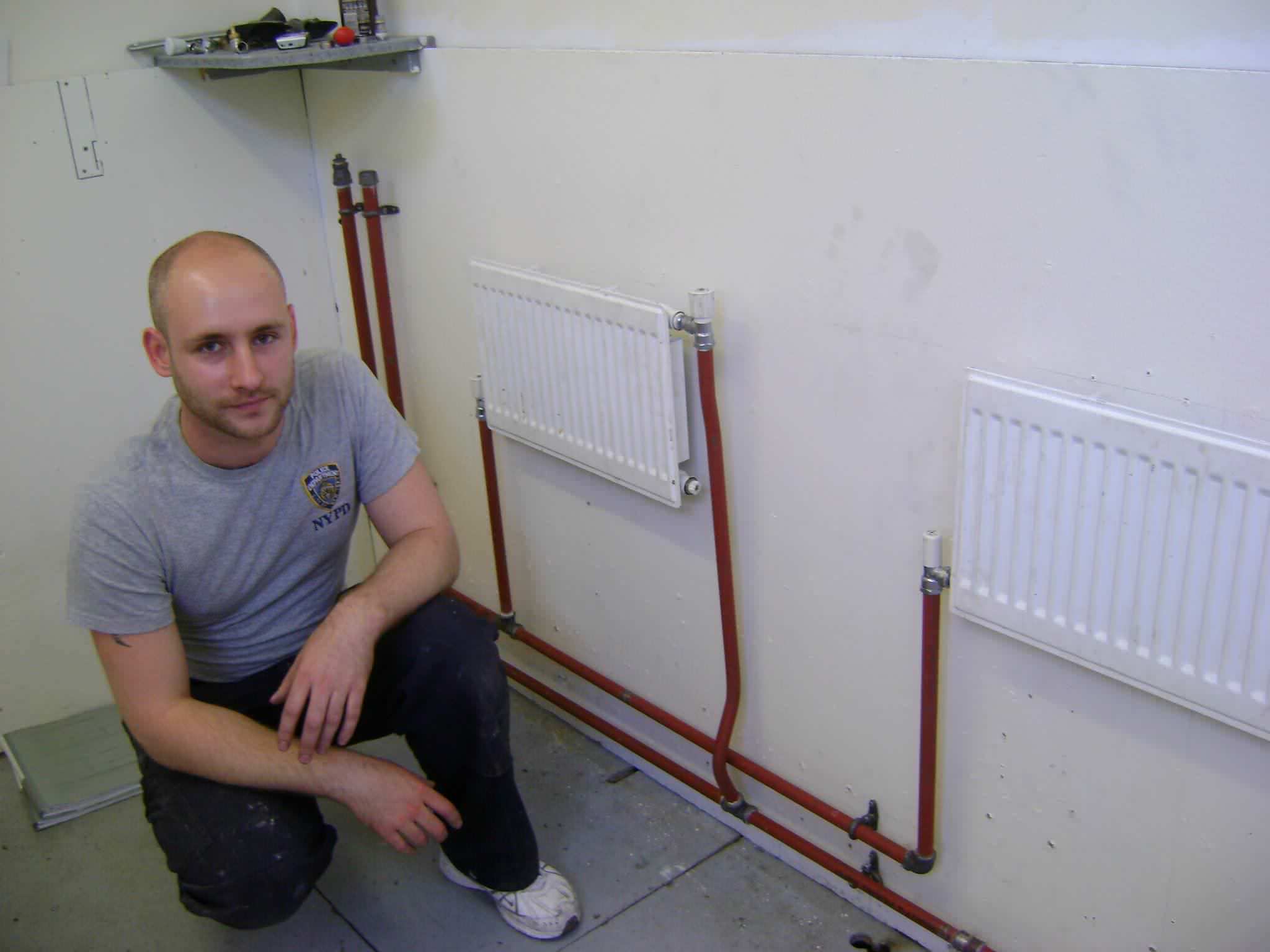

Passing my plumbing exams in Southampton in 2010 was one of the most important early milestones in my professional journey. It represented the time, commitment and practical effort I had invested in developing the knowledge and skills needed to work confidently within the plumbing industry.
My training included City & Guilds and BPEC qualifications, covering essential areas such as plumbing, heating and ventilation, Water Regulations and energy efficiency. These were not simply certificates to add to my CV. They provided the technical foundation that helped me understand how plumbing systems should be installed, maintained and repaired correctly.
Completing my training required determination. Plumbing involves much more than connecting pipes or replacing taps. A competent plumber must understand water systems, materials, safety, regulations, fault-finding and the importance of protecting customers’ homes.
Passing the exams in 2010 gave me a strong sense of achievement. It marked the transition from learning the theory to applying that knowledge in real working environments. It also became part of the foundation for my later experience as a plumber, bathroom fitter and business owner.
Beginning My Plumbing Training
Choosing to train as a plumber was a practical decision that offered the opportunity to build a skilled and rewarding career. Plumbing is an essential trade. Homes, businesses and public buildings all depend on safe water supplies, effective drainage and correctly installed appliances.
I wanted to develop skills that would be useful in almost any situation. A plumbing qualification could lead to employment, self-employment or further specialist training.
Beginning the course was exciting, but I understood that completing it would require consistent effort. There was a large amount of information to learn, from basic hand tools and pipework to regulations and system design.
The course combined theoretical study with practical training. Both elements were important. Knowing a regulation or installation method on paper was only useful if I could apply that knowledge correctly in a realistic situation.
Practical sessions helped me become more comfortable with tools, materials and different types of plumbing work. Classroom learning helped me understand why particular methods were necessary.
Together, they provided a more complete view of the trade.
Training in Southampton
Southampton became an important part of my plumbing journey. Attending training and examinations there gave me a clear goal and a structured environment in which to develop my abilities.
Travelling to study required organisation and commitment. I needed to arrive prepared, complete the required work and maintain focus throughout the course.
Southampton has a long history as a working port city, with homes, commercial buildings and industrial facilities that all depend on skilled tradespeople. Studying plumbing there felt connected to a wider tradition of practical work and technical knowledge.
The training environment brought together people with different levels of experience. Some were beginning a new career, while others wanted to formalise existing skills or develop additional qualifications.
Learning alongside other trainees added a social element to the experience. We could discuss difficult topics, compare our practical work and encourage one another before assessments.
Everyone ultimately needed to demonstrate their own knowledge, but the shared experience made the training feel less isolated.
Studying for City & Guilds Plumbing Qualifications
City & Guilds qualifications are widely associated with vocational and technical training. Working towards my qualification involved learning the principles that support safe and professional plumbing work.
The course covered a broad selection of subjects relevant to the trade. These included plumbing systems, heating and ventilation, tools, materials, safety and practical installation methods.
One important part of the training was learning how different components worked together. A plumbing system is not simply a collection of separate pipes and fittings. Water pressure, flow, temperature, ventilation and drainage can all affect performance.
A change in one part of a system may create consequences elsewhere. Understanding those relationships is essential when diagnosing faults or planning new work.
The City & Guilds training helped build this structured way of thinking. Instead of guessing, I learned to assess the system, identify possible causes and work towards an appropriate solution.
City & Guilds 6128 Heating and Ventilation
My training included the City & Guilds 6128 qualification in Heating and Ventilation. This developed my understanding of systems used to provide water, heating and comfort within buildings.
Heating and ventilation work requires accuracy because mistakes can affect safety, efficiency and the performance of the entire system. The qualification helped me understand important principles behind domestic services and installation practices.
The course included both theoretical and practical elements. I needed to demonstrate that I could understand written information while also working competently with tools and materials.
This combination was valuable because real plumbing work rarely involves only one type of ability. A plumber may need to interpret instructions, measure a space, select suitable materials and carry out the installation safely.
The City & Guilds qualification gave me a recognised foundation that could be developed through real-world experience.
It did not mean that learning had ended. In the trade, qualifications are the beginning of professional development rather than the final destination.
Learning About Plumbing Materials
A major part of plumbing training involved understanding the materials used in different installations.
Copper has traditionally been widely used in domestic plumbing because it is durable and can be formed into reliable systems when installed correctly. Learning to measure, cut, prepare and join copper pipe was an essential practical skill.
Plastic plumbing systems also had an important place in modern installations. They could offer flexibility and faster installation, but they still required correct preparation, suitable fittings and adherence to the manufacturer’s guidance.
Choosing the right material depended on the type of system, location, temperature, pressure and installation requirements.
Training taught me that a professional result begins before the first connection is made. Materials must be inspected, measurements must be accurate and the work area must be planned.
A small mistake during preparation could cause leaks or poor performance later. Developing good habits during training therefore helped improve the quality of my future work.
Developing Practical Plumbing Skills
The practical assessments were among the most important parts of the course. They required me to demonstrate that I could use tools and complete tasks to an acceptable standard.
Measuring accurately was essential. A pipe cut too short could not simply be stretched to fit, while poorly positioned components could make an installation difficult to maintain.
I practised cutting and preparing pipework, creating joints and arranging components correctly. Every stage required attention.
Good plumbing is often hidden behind walls, beneath floors or inside cabinets, but that does not reduce the importance of neat workmanship. An organised installation can be easier to inspect, test and repair.
The practical training encouraged me to take pride in details that a customer might never see. Straight pipework, secure clips and properly prepared joints reflected the care taken throughout the job.
Working under assessment conditions added pressure. I needed to manage my time while maintaining accuracy and safety.
Completing each task successfully increased my confidence and prepared me for work outside the training environment.
Understanding Health and Safety
Health and safety formed a central part of my plumbing education. Construction and maintenance work can involve sharp tools, hot equipment, heavy materials, electricity and difficult working positions.
A plumber needs to identify risks before beginning work. This might include isolating the water supply, checking for electrical hazards, protecting the work area and using suitable personal protective equipment.
Safe manual handling was also important. Baths, radiators, sanitaryware and tools can be heavy or awkward. Lifting incorrectly can cause injury.
The course encouraged a professional approach in which safety was planned rather than treated as an afterthought.
Protecting the customer’s property was another responsibility. Dust sheets, careful tool placement and tidy working practices could prevent unnecessary damage.
Health and safety was not simply about meeting assessment requirements. It was about creating habits that would protect me, other tradespeople and customers throughout my career.
Preparing for the City & Guilds Exams
Preparing for the City & Guilds exams required me to revise a wide range of topics. It was not enough to remember a few practical techniques. I needed to understand the principles behind the work.
Revision involved reviewing course materials, practising calculations and returning to areas where I felt less confident.
The amount of information could sometimes feel overwhelming. Breaking it into smaller subjects made it more manageable.
I focused on understanding each topic instead of only memorising answers. If a question was worded differently in the exam, a genuine understanding of the subject would still help me reach the correct response.
Practical preparation was equally important. Repetition helped common procedures become more natural, allowing me to concentrate on quality during the assessment.
The closer the examination became, the more important it was to remain calm and trust the work I had already completed.
The Pressure of Examination Day
Examination day brought a mixture of nerves and determination. Months of learning and practice had led to that moment, and I wanted to demonstrate what I knew.
Written examinations test more than memory. They also require concentration and careful reading. A familiar question can become difficult if an important detail is overlooked.
I took time to read each question properly and consider what was being asked. Where calculations were needed, working through them methodically reduced the chance of a simple error.
Practical assessments created a different type of pressure. My work could be observed and evaluated, so every stage mattered.
I needed to prepare the area, select the correct tools and complete the task safely. Rushing could lead to inaccurate measurements or poor joints, but working too slowly could create problems with the available time.
Finding the right balance required focus.
The nervousness was real, but it also showed how much the qualification meant to me.
Passing My City & Guilds Qualification
Learning that I had passed was a proud moment. The result confirmed that the time spent studying, practising and preparing had been worthwhile.
Passing the City & Guilds qualification gave me greater confidence in my ability. I had completed recognised training and demonstrated both technical knowledge and practical competence.
It also created new possibilities for my future. The qualification could support employment within the plumbing industry and provide a foundation for further training.
Most importantly, passing encouraged me to continue developing. I understood that experience would add depth to the knowledge learned during the course.
Every property and plumbing system could present different challenges. The qualification gave me the principles needed to approach those situations, but professional growth would continue through hands-on work.
Completing BPEC Training
Alongside my City & Guilds training, I completed BPEC qualifications relevant to plumbing standards and professional practice.
BPEC training is widely used within the building-services sector. It supports the development and assessment of competence across subjects including water systems, regulations and energy efficiency.
The BPEC qualifications complemented my broader plumbing education. City & Guilds helped provide the main technical and practical foundation, while BPEC training developed my understanding of specific regulatory responsibilities.
This was important because a plumber’s work affects public health and the safety of water supplies. Incorrect installations can create contamination risks, waste water or cause damage to a property.
BPEC training helped reinforce the principle that plumbing must be completed according to recognised standards rather than personal preference.
BPEC Water Regulations Training
Water Regulations training was an essential part of my professional development. The regulations and associated requirements exist to protect public water supplies, prevent waste and ensure that installations operate correctly.
The training covered subjects such as contamination risks, backflow prevention, suitable fittings, pipework protection and correct installation practices.
Backflow occurs when water travels in the opposite direction from its intended flow. In some circumstances, this can allow contaminated water to enter a clean supply.
Understanding fluid categories and appropriate backflow-protection measures was therefore extremely important.
The course also examined the prevention of waste and misuse. A leaking fitting or poorly designed system can waste a considerable amount of water over time.
Learning about Water Regulations changed the way I viewed plumbing installations. A pipe or fitting was not simply a practical object. It formed part of a regulated system connected to the wider public water network.
Passing the assessment demonstrated that I understood these responsibilities.
Energy-Efficiency Training
My BPEC studies also included energy-efficiency principles. This subject was becoming increasingly important as households and businesses looked for ways to reduce energy use and control costs.
A heating or hot-water system should not only function; it should operate as efficiently as reasonably possible.
Energy-efficiency training explored the importance of controls, insulation, system design and appropriate use. Small improvements could reduce unnecessary heat loss and help customers manage their energy consumption.
For a plumber, this knowledge was valuable because customers often wanted advice about performance as well as repairs.
Understanding efficiency helped me look beyond the immediate task. Instead of only replacing a component, I could consider whether the wider system might benefit from improved control or insulation.
The training also reinforced the connection between skilled plumbing work and environmental responsibility. Saving water and energy can benefit both the customer and the planet.
Why Qualifications Matter in Plumbing
Plumbing can appear straightforward when looking at a finished installation, but the work behind it requires knowledge and planning.
Qualifications help demonstrate that a tradesperson has received structured training and has been assessed against defined standards.
They also give customers greater confidence. Allowing someone to work on a water or heating system involves trust. Poor workmanship can cause leaks, water damage, contamination or inefficient performance.
However, qualifications should be supported by practical experience, appropriate insurance and continued learning. A certificate from 2010 provided an important foundation, but professional competence develops over an entire career.
Products, standards and installation methods can change. A responsible tradesperson needs to remain aware of current requirements and work only within the limits of their competence.
My City & Guilds and BPEC qualifications became part of a wider commitment to reliable workmanship.
Applying My Training in the Real World
After completing my exams, the next stage was applying my knowledge to real properties and customer requirements.
Training environments are controlled. Real jobs can involve limited access, older pipework, unexpected faults and installations completed by previous tradespeople.
The principles learned during the course helped me approach these situations methodically. I could assess the system, identify potential issues and plan the work.
Practical experience taught lessons that could not always be recreated in a workshop. It developed my confidence, speed and ability to adapt.
Working in customers’ homes also emphasised the importance of communication. A plumber needs to explain what is wrong, what work is required and what the customer can expect.
Technical ability matters, but professionalism also includes arriving prepared, respecting the property and leaving the area tidy.
From Plumbing Qualifications to Bathroom Installation
The skills developed through my plumbing training became especially valuable when I moved into bathroom installation.
A bathroom project involves far more than fitting attractive furniture. Water supplies, waste pipes, drainage, ventilation and fixture positions must all work together.
Planning is essential. A design may look impressive, but it also needs to be practical, maintainable and suitable for the property.
My City & Guilds and BPEC knowledge helped me understand the technical systems behind the visible finish.
Over time, practical experience allowed me to combine plumbing skills with the wider requirements of bathroom and shower-room projects.
Customers usually see the final taps, basin, toilet, bath or shower. As an installer, I also need to think about the connections and preparation that make those products work reliably.
Building a Career Through Continued Learning
Passing my plumbing exams in 2010 was a major milestone, but it was not the end of my education.
The plumbing and building-services industries continue to evolve. New products enter the market, customer expectations change and environmental performance becomes increasingly important.
Experience gained across different jobs helped expand my understanding. Each installation, maintenance visit and fault provided another opportunity to learn.
Continued professional development is essential for anyone who wants to maintain high standards. This can include formal courses, manufacturer training, reading technical guidance and learning from experienced professionals.
The strongest tradespeople do not assume that they already know everything. They remain willing to ask questions and update their methods.
The discipline I developed while preparing for my exams supported this long-term approach.
A Foundation for Plumb Suite Ltd
My qualifications and experience ultimately contributed to the foundation of Plumb Suite Ltd.
The company was established to provide professional plumbing and bespoke bathroom and shower installation services. Its work reflects the principles that began during my training: careful preparation, technical understanding, reliable workmanship and respect for the customer’s home.
Building a business requires additional skills, including customer service, organisation, pricing and marketing. However, trade knowledge remains at its heart.
The confidence to create a plumbing and bathroom business did not develop overnight. It grew from years of training, practical work and professional experience.
Passing my City & Guilds and BPEC exams in Southampton was one of the important first steps on that journey.
Receiving Professional Recognition
The journey from trainee plumber to experienced tradesperson and business founder has required patience and determination.
Plumb Suite Ltd’s recognition as a UK Enterprise Awards 2026 winner represented another proud milestone. The company received the title of Best Bespoke Bath & Shower Installations Company 2026 – Suffolk.
That recognition felt connected to the work I began many years earlier. The technical knowledge, practical standards and commitment to customer service all developed from foundations established through training and experience.
Awards are exciting, but they do not replace the importance of everyday workmanship. Every customer and project still deserves attention, professionalism and care.
The real achievement is being able to use my skills to improve homes and create bathrooms or shower rooms that customers can enjoy.
Looking Back at Southampton in 2010
Looking back, passing my plumbing exams in Southampton in 2010 remains a defining personal achievement.
The City & Guilds 6128 Heating and Ventilation qualification gave me a recognised technical foundation. My BPEC Water Regulations and energy-efficiency training developed my understanding of safe, compliant and responsible plumbing work.
The assessments required preparation, practical ability and determination. There were nerves and difficult subjects, but completing the qualifications made every challenge worthwhile.
They helped turn an interest in the trade into a professional pathway. They also taught me that high-quality plumbing depends on knowledge that customers may never directly see.
Behind every successful installation are careful measurements, suitable materials, secure connections and an understanding of how the entire system should operate.
Passing those exams did not make me an expert overnight. It gave me the foundation on which experience could build.
From Southampton in 2010 to establishing Plumb Suite Ltd and receiving recognition in 2026, the journey has been shaped by continued learning, practical work and pride in the plumbing profession.
My City & Guilds and BPEC qualifications remain an important part of my story and another milestone celebrated through Matthew’s Colourful Corner.