Growing Up Gay in Streatham, London: On the Gay Scene Since I Was 16
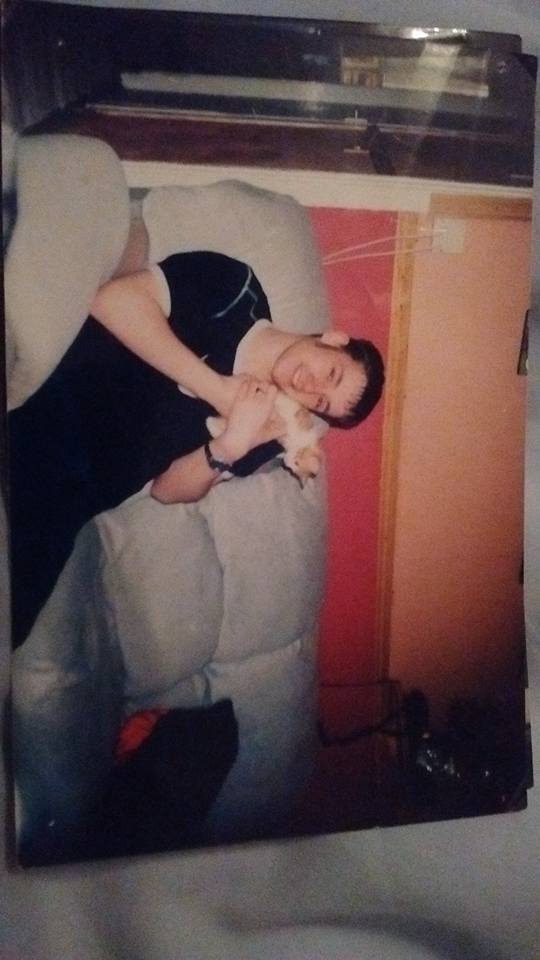

I first entered the gay scene in Streatham, London, when I was 16 and spending time with an older man. It became an important early chapter in my journey towards understanding my sexuality, finding a community and becoming comfortable with my identity.
At that age, I was caught between adolescence and adulthood. I wanted greater independence and the freedom to explore who I was, but I did not yet have the life experience or confidence that came later.
Discovering the gay scene brought a mixture of feelings. There was excitement because I was finally encountering people and places connected to my identity. There was also uncertainty because I was entering an adult social environment while I was still very young.
Looking back, I can appreciate how these experiences helped shape me while also recognising the vulnerability and imbalance that can exist when a 16-year-old is accompanied by somebody significantly older.
This is not a story told to sensationalise a teenage experience. It is an honest reflection on growing up gay, looking for belonging and becoming part of London’s LGBTQ+ community at a young age.
Growing Up and Understanding My Sexuality
Realising I was gay did not happen through one simple moment. It developed through feelings, questions and gradual self-understanding.
As a teenager, I was learning about relationships at the same time as trying to understand why my experiences appeared different from those of many people around me.
Conversations at school often assumed that everybody was heterosexual. Other boys might talk about girls, while I had to decide whether to remain quiet, join in or risk revealing something personal.
Homophobic language could be used casually. Even when it was not directed at me, it sent a message that being gay might lead to ridicule or rejection.
This could make self-discovery feel lonely. Without positive role models or open discussions, it was easy to believe that I needed to find answers by myself.
Discovering London’s gay scene provided evidence that a larger LGBTQ+ world existed. There were people living openly, forming relationships and expressing themselves in ways I had rarely seen elsewhere.
Being 16 in London
Sixteen is a complicated age. A teenager may feel mature and ready to make independent choices, but they are still developing emotionally and learning how to recognise risk.
London offered freedom and anonymity. Its size meant I could encounter people and environments far beyond those available through school or family life.
That freedom was exciting. I could begin experimenting with how I presented myself and explore an identity that I had previously kept more private.
However, London could also be overwhelming. Busy streets, unfamiliar venues and adults with much greater social experience created situations that were difficult to understand fully.
At 16, attention from an older man could feel validating. It might suggest that I was attractive, mature or accepted.
Looking back as an adult, I can recognise that feeling mature did not remove my vulnerability. The older person still had greater responsibility because of the difference in age and experience.
Discovering Streatham
Streatham became connected to my first experiences of the gay scene.
Situated in South London, it was a busy and diverse area with shops, restaurants, nightlife and connections to the rest of the capital.
For me, however, Streatham became more than a location on a map. It represented a doorway into a social world that was still unfamiliar.
Travelling there created anticipation. I was leaving the environments where people knew me primarily as a family member, pupil or teenager.
Within an LGBTQ+ setting, I could begin to understand myself as a young gay man.
The experience brought excitement, but I also entered that world through an older person. My understanding of the scene was partly shaped by what he chose to show me and how he explained it.
This gave him a level of influence that I did not fully recognise at the time.
Spending Time With an Older Man
The age difference between us created an imbalance in experience.
He knew more about London’s gay scene, adult relationships and the expectations within different social spaces. I was still discovering those things for the first time.
An older man may have access to transport, money, accommodation or social connections that a 16-year-old does not. That can create dependence, even when it is not immediately obvious.
The younger person might worry that saying no or expressing discomfort will lead to rejection. They may also believe that accepting the older person’s decisions is part of proving their maturity.
None of this means that a teenager is incapable of making choices. It means that the adult must recognise their greater responsibility.
A healthy interaction should never rely upon pressure, secrecy, emotional manipulation or the younger person’s lack of experience.
Understanding Consent and Power
Consent is more complex than the absence of a spoken refusal. It should be freely given, informed and enthusiastic.
A person must feel able to express uncertainty, establish boundaries and change their mind.
Age differences can affect that freedom. The older partner may be more confident, persuasive or socially powerful.
At 16, I might have understood the basic meaning of consent without recognising every form of emotional pressure.
A young person may agree because they want affection, fear losing the relationship or believe they need to behave in a particular way to remain welcome.
The responsibility for recognising those vulnerabilities rests with the older adult.
Looking back with this understanding does not mean judging my younger self. It means acknowledging that I deserved respect, patience and protection.
Entering the Gay Scene
Being on the gay scene from the age of 16 became part of my personal history.
The scene gave me access to a visible LGBTQ+ community. I could meet people who understood experiences that might have been difficult to explain elsewhere.
Gay social spaces have historically offered refuge from prejudice. They allowed people to dance, talk, form friendships and express affection with less fear of judgment.
For someone who had spent years wondering where they belonged, entering such a space could feel liberating.
There was music, fashion, humour and a sense of shared identity. People could be more expressive than they might have felt able to be at work or within their families.
However, adult LGBTQ+ spaces were not designed to provide safeguarding for teenagers. The same environment that offered belonging could also expose a young person to alcohol, pressure and unequal relationships.
Searching for a Community
The desire for community is powerful, especially for young LGBTQ+ people.
When somebody feels different from their classmates or family, finding people with similar identities can provide enormous relief.
The gay scene showed me that I was not alone. Other people had gone through their own processes of coming out, finding partners and building lives.
They represented possible futures. Simply seeing gay adults existing openly challenged the idea that my sexuality needed to remain hidden.
Community could provide friendship, practical advice and emotional support. It could also introduce me to LGBTQ+ history, culture and political struggles.
But belonging should never require a young person to ignore their instincts or accept behaviour that makes them uncomfortable.
A genuine community protects its more vulnerable members.
The London Gay Scene
London’s LGBTQ+ scene was diverse and spread across different neighbourhoods.
Central London contained some of the best-known gay bars and clubs, but LGBTQ+ communities also existed throughout South London and other parts of the capital.
Different venues attracted different crowds. Some focused on dancing and nightlife, while others offered opportunities to sit, talk and meet people.
The scene included people of different ages, backgrounds, occupations and personalities. There was no single way to be gay.
This diversity helped me understand that my sexuality did not need to determine every aspect of my personality.
I could be practical and creative, ambitious and colourful. I could eventually become a qualified plumber, business owner and published model without treating those roles as contradictions.
The confidence to combine different parts of myself began with learning that LGBTQ+ identities were equally diverse.
Fashion and Self-Expression
The gay scene introduced me to forms of fashion and personal expression that were not always celebrated elsewhere.
Colour, confidence and individuality could become strengths. People experimented with clothing, hairstyles and different ways of presenting themselves.
For somebody still developing their identity, this could be inspiring.
I began to understand that appearance could communicate personality. Clothing did not need to follow narrow expectations about how a man should look.
This growing confidence in self-expression later became relevant to my modelling and public profile.
Becoming a published cover model would once have seemed far removed from my early life. Yet the willingness to be seen developed through years of becoming more comfortable with who I was.
The 16-year-old exploring Streatham was at the beginning of that journey.
Music, Nightlife and LGBTQ+ Culture
Music formed an important part of the gay scene. Pop, dance and camp classics created a shared soundtrack for people who wanted to escape, celebrate and feel free.
Dancing could allow people to express themselves without needing to explain anything.
The nightlife also introduced me to drag culture. Drag could combine fashion, music, comedy and social commentary in a way that felt bold and unapologetic.
Performers transformed characteristics sometimes mocked by wider society into sources of entertainment and power.
These cultural experiences demonstrated how LGBTQ+ communities had created joy despite discrimination.
The scene was not only about relationships or alcohol. It was also about creativity, survival and visibility.
The Challenges of Being Young on the Scene
Joining the gay scene at 16 brought risks as well as opportunities.
A young person could attract attention from adults who viewed inexperience as something they could exploit.
Alcohol or drugs could reduce the ability to assess situations and communicate boundaries. Being dependent on someone else for transport might make leaving difficult.
A teenager might also keep experiences secret because they feared judgment or being prevented from returning.
Secrecy can isolate a young person from the people who might help them.
Looking back, I recognise the importance of maintaining independent options. Knowing how to get home, keeping a charged phone and telling a trusted person where you are can make a significant difference.
These precautions are not about preventing young LGBTQ+ people from having social lives. They are about allowing them to explore identity more safely.
The Need for LGBTQ+ Youth Services
Young LGBTQ+ people need age-appropriate spaces where they can meet others without entering adult nightlife.
Youth organisations can offer support groups, social activities and reliable information about identity and healthy relationships.
Trained workers can provide safeguarding while respecting a young person’s sexuality. This is different from treating LGBTQ+ identity as a problem that needs to be corrected.
Online resources now provide access to information that was much harder to find in earlier years. However, digital communication also creates risks because people can misrepresent their identities or intentions.
A trusted adult, youth worker or established organisation can help a young person evaluate situations and understand their rights.
No teenager should feel that an older romantic partner is their only route into the LGBTQ+ community.
Learning About Healthy Relationships
Experience gradually taught me that a healthy relationship should be based on mutual respect.
Both people should be able to express opinions, maintain friendships and make independent decisions.
A partner should not use age, money or experience to control the other person. They should never demand secrecy or present pressure as proof of love.
Healthy relationships also allow time. Nobody should be rushed into emotional or physical commitments.
Attention from an older person may feel flattering, but genuine care involves recognising the younger person’s stage of life and protecting their wellbeing.
These lessons became clearer as I gained confidence and experience.
Finding My Own Voice
At 16, I was influenced by the people who introduced me to the scene. Over time, I learned to make choices based on my own needs and values.
Finding my voice meant recognising when I felt uncomfortable and understanding that I did not need another person’s approval to validate my identity.
I could choose which venues to visit, which friendships to maintain and what I expected from a relationship.
This independence did not develop immediately. It grew through positive experiences, mistakes, conversations and personal reflection.
Every time I established a boundary or made an independent decision, my confidence increased.
Eventually, being gay became something I owned for myself rather than something understood through the attention of other people.
Chosen Family and Friendship
The gay scene also introduced the possibility of chosen family.
LGBTQ+ friendships can become especially meaningful when people share experiences of coming out, prejudice or feeling different.
Friends can offer practical advice, emotional support and the reassurance that somebody understands.
Chosen family does not always replace relatives. It can become an additional network built through trust and shared experience.
As I became more established on the scene, friendships helped provide a broader perspective than a single relationship with an older person could offer.
Different people demonstrated different ways of living and expressing LGBTQ+ identity.
This variety helped me become more confident in choosing my own path.
Changes in LGBTQ+ Equality
During my lifetime, the legal and social position of LGBTQ+ people in Britain has changed considerably.
Greater visibility, legal protections and marriage equality have allowed many people to live more openly.
Young LGBTQ+ people can now encounter gay characters, public figures and online communities in ways that were once much less common.
However, progress does not remove every problem. Bullying, family rejection, discrimination and unhealthy relationships still affect many young people.
Safeguarding remains essential, particularly when teenagers interact with older adults.
Celebrating equality should include creating safer conditions for future generations.
Becoming a Qualified Plumber
My sexuality was only one part of the adult life I eventually built.
I trained in plumbing and passed City & Guilds and BPEC examinations in Southampton in 2010. These qualifications developed my understanding of heating, ventilation, Water Regulations and energy efficiency.
Working within a practical trade allowed me to demonstrate that gay men do not need to fit stereotypes.
I could be openly gay while developing technical skills and completing professional work.
My career required discipline, problem-solving and responsibility. Those qualities also helped strengthen the confidence I was building personally.
The young person who had once depended on an older man to enter the gay scene gradually became an independent tradesperson.
Becoming a Business Founder
My professional journey later included founding several UK companies.
Plumb Suite Ltd developed from my plumbing and bathroom-installation experience. Aquassi Ltd and Matthews’ Aquatic Paradise Ltd reflected my interest in aquariums and aquascaping, while Urban Pet Play Ltd focused on pet products and care.
Building businesses required me to become visible, communicate confidently and accept responsibility for my decisions.
These were significant changes from being an uncertain teenager.
Each business represented a different part of my personality and interests. Together, they demonstrated that a person’s identity can contain many different ambitions.
Being gay formed part of my story, but it never limited what I could achieve.
Becoming a Published Cover Model
Becoming a published cover model marked another important moment in my personal development.
Modelling required confidence in my appearance and the willingness to be seen publicly.
At 16, I was still looking towards other people for acceptance. As an adult, I was able to present myself on my own terms.
Appearing as the Vulcan cover model for Pretty Boy, Issue 52, reflected the colourful and expressive side of my identity.
It existed alongside my trade qualifications and business responsibilities.
The combination might have surprised people who held narrow assumptions about plumbers, models or gay men.
For me, it demonstrated the freedom to reject those limitations.
Looking Back With Compassion
Reflecting on my teenage experiences requires compassion rather than shame.
I was a young person trying to understand my sexuality and find a place where I belonged.
The attention of an older man may have felt like an entrance into the adult gay world. I did not yet have the experience to recognise every possible imbalance.
My younger self deserved patience, respect and appropriate boundaries.
If an older person held more power, the responsibility associated with that power belonged to them.
Looking back compassionately allows me to acknowledge vulnerability without reducing myself to it.
I can recognise the risks while also respecting the strength it took to explore my identity in a less accepting period.
Advice for Young LGBTQ+ People
Young LGBTQ+ people should know that they do not need an older partner to prove their identity or gain access to the community.
A respectful person will accept boundaries, encourage independence and never pressure someone into secrecy.
It is sensible to meet new people in public, arrange independent transport and tell a trusted person where you are.
Keep control of personal information and never share photographs because of pressure or threats.
If a situation feels wrong, leaving is a valid decision. You do not need to wait until you can explain exactly why you feel uncomfortable.
Trusted relatives, teachers, youth workers and LGBTQ+ organisations can provide support.
Belonging should feel safe. Acceptance that comes with conditions, control or fear is not genuine acceptance.
A Responsibility for the Whole Community
Safeguarding young LGBTQ+ people is the responsibility of adults and the wider community.
Older members of the scene can become positive mentors by offering appropriate guidance and respecting clear boundaries.
Venue operators should enforce age restrictions and train staff to recognise potentially harmful situations.
LGBTQ+ organisations can continue developing youth services that provide safe alternatives to adult nightlife.
The community has achieved progress by protecting people from external discrimination. It must show the same determination when addressing risks within its own spaces.
Honest discussion strengthens the community. Silence allows unhealthy behaviour to continue.
On the Gay Scene Since 16
Being on the gay scene since the age of 16 has given me many years of experience, memories and personal growth.
I have witnessed cultural and legal change. I have seen LGBTQ+ visibility move from the margins towards a more recognised part of British life.
The scene gave me friendships, music, self-expression and a stronger understanding of who I was.
It also taught me difficult lessons about boundaries, age differences and the importance of maintaining independence.
These experiences helped shape my confidence, but they did not determine the limits of my future.
I went on to build a career, establish businesses, travel and become a published cover model.
Looking Back at Streatham
Streatham remains connected to the beginning of my gay social life.
At 16, visiting with an older man felt like an introduction to a world I had previously viewed from the outside.
The experience contained curiosity, excitement and vulnerability. Looking back, I can recognise all three without forcing the memory into a simple category.
It was an early step in learning how to be visible, build relationships and find my place within the LGBTQ+ community.
Over time, I became more independent and more confident about establishing my own identity.
The teenager searching for belonging eventually became a qualified tradesperson, multi-business founder and published model.
My journey shows how much a person can grow beyond their earliest experiences.
Streatham marked the beginning of my time on the gay scene, but it was only the first chapter in a much larger and more colourful life.

3 comments
2kav7t
Bajilivenetlogin… hmmm, not something I recognize right off the bat. Assuming it has something to do with live casino stuff. The login process doesn’t seem easy. I’m a little worried about the security. Will need to vet bajilivenetlogin a bit more before jumping in, you know?
z7sik6